The Benefits of Thatch Roofing in South Africa
From natural insulation to environmental sustainability, thatch roofing offers unique advantages that conventional roofing materials cannot match.
By Walter at Project Master Thatching · 12+ years in the thatching industry
Why Choose Thatch?
Thatch roofing has been part of South African architecture for centuries, from traditional rural homesteads to Cape Dutch manor houses and modern game lodges. Today, it remains a popular roofing choice not just for its distinctive appearance, but for a range of practical benefits that conventional roofing materials cannot replicate.
Whether you are building a new home, adding a lapa to your property, or developing a lodge or hospitality venue, understanding the real advantages of thatch helps you make an informed decision.
Natural Thermal Insulation
One of the most significant benefits of thatch roofing is its exceptional insulation properties. A 300mm thick layer of thatch provides substantial thermal resistance, keeping interiors noticeably cooler in summer and warmer in winter compared to conventional roofing materials.
The structure of thatch creates thousands of tiny air pockets that slow heat transfer. In practice, this means that a thatched building can be 10 to 15 degrees cooler inside during Gauteng's hot summer months than a comparable building with a standard roof. This natural temperature regulation reduces reliance on air conditioning and heating, leading to meaningful energy savings throughout the year.
Durability and Longevity
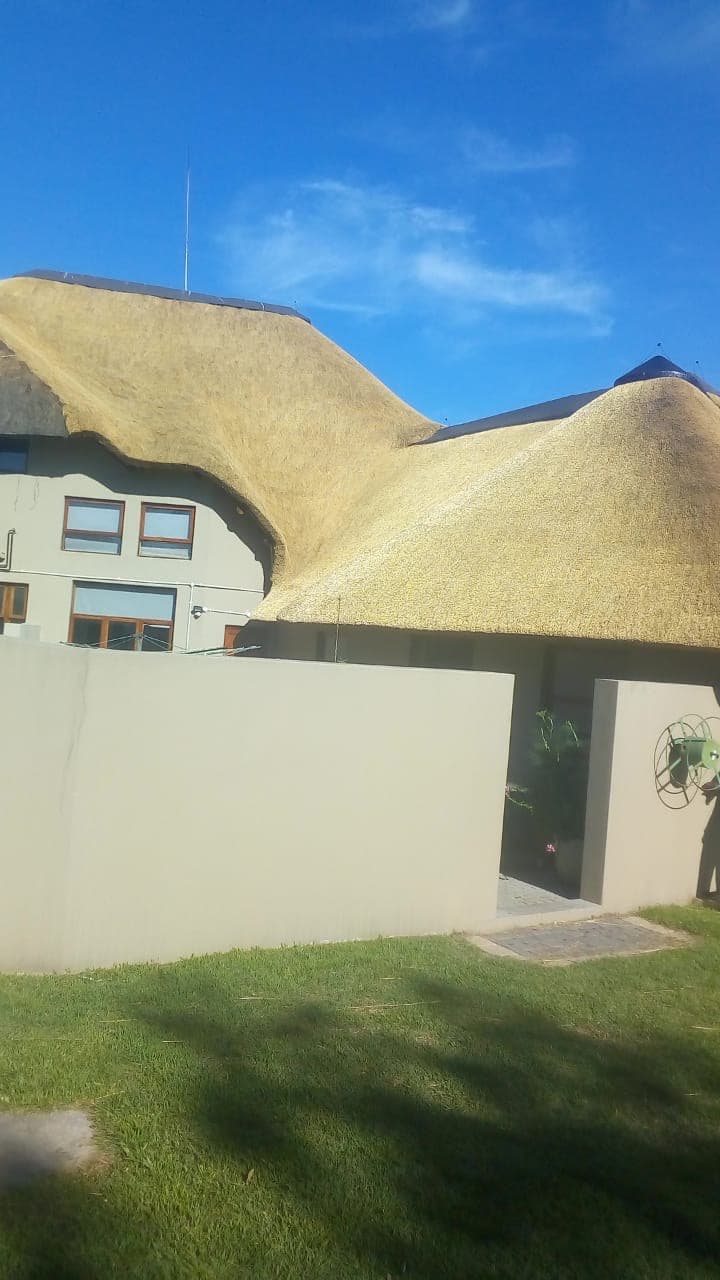
A well-installed thatch roof, maintained on a regular schedule, typically lasts 25 to 40 years. This compares favourably with many conventional roofing materials when you consider the full lifecycle including repairs and maintenance.
Quality thatching reed is naturally water-resistant, and combined with proper installation at the correct pitch — SANS 10407 requires a minimum of 45 degrees — and regular upkeep, a thatch roof is a durable, long-term roofing solution.
Environmental Sustainability
Thatch is one of the most environmentally sustainable roofing materials available. Thatching reed and grass are renewable resources that are sustainably harvested across South Africa. The plants regrow after cutting, making thatch a naturally replenishing material.
Unlike manufactured roofing materials, thatch requires minimal processing and energy to produce. There are no kilns, furnaces, or chemical processes involved — the reed is cut, dried, and bundled by hand. At the end of its life, thatch is fully biodegradable and returns to the soil without contributing to landfill waste.
Thatch roofing also has a lower carbon footprint than most alternatives. The growing plants absorb carbon dioxide during their six-year growth cycle, and the short supply chain from harvest to installation means minimal transport emissions compared to industrially manufactured roofing products.
Unique Character and Property Value
No two thatch roofs are identical. The natural texture, warm tones, and organic shape of a thatched roof give any building a distinctive character that cannot be replicated with synthetic materials. Whether on a contemporary home, a traditional farmstead, or a bushveld lodge, thatch blends naturally with the South African landscape.
Well-maintained thatched properties are sought after in the South African property market. The combination of aesthetic appeal, natural comfort, and the craftsmanship involved in thatching adds real value to residential and commercial properties alike.
Modern Safety Standards
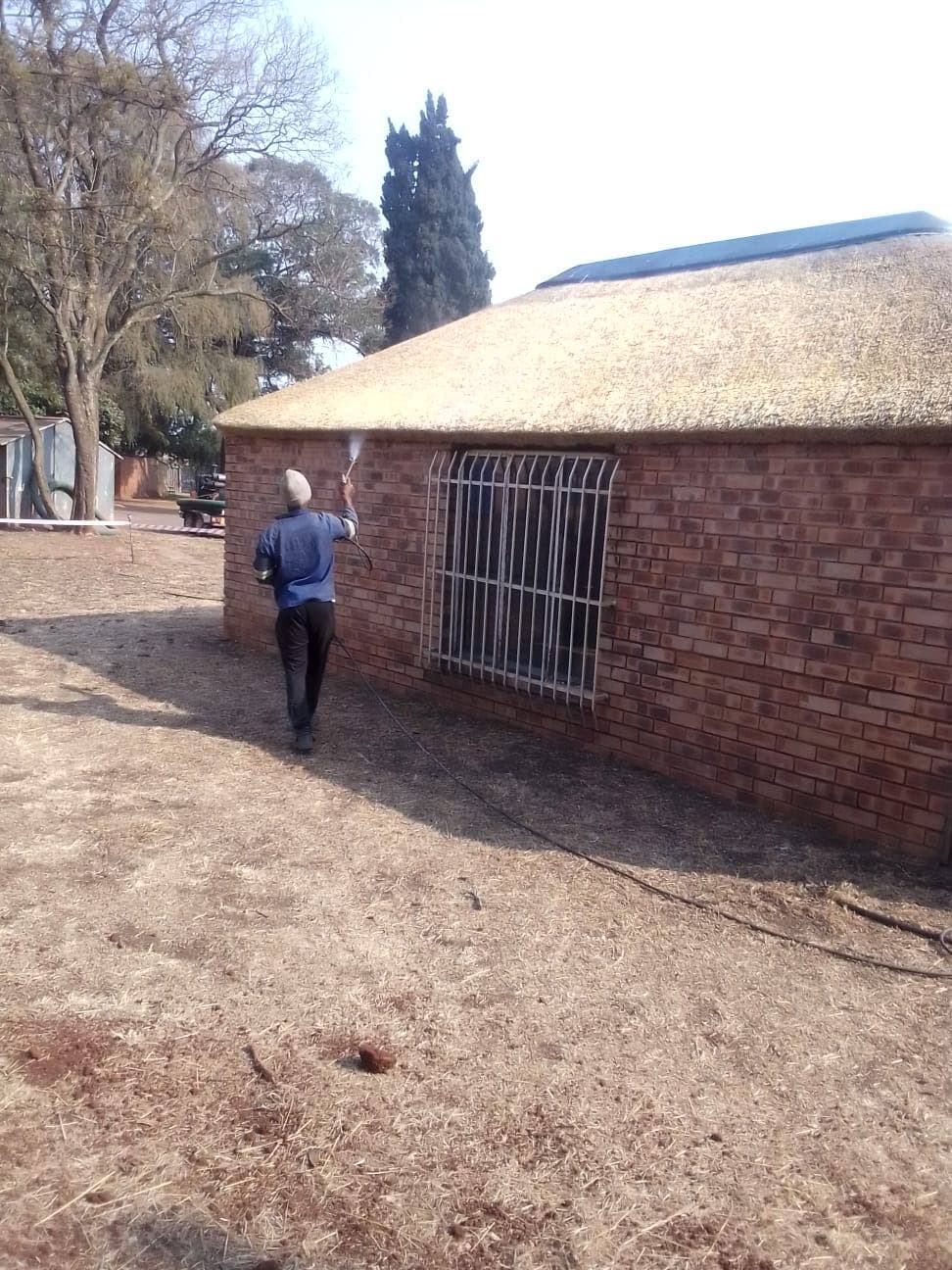
A common concern about thatch roofing is fire safety. Modern fire retardant treatments, tested to the standards specified in SANS 10407, significantly reduce fire risk. These treatments slow the spread of flame across the roof surface and are re-applied every three to five years as part of standard maintenance.
SANS 10407 also governs the structural requirements for thatched buildings, including minimum roof pitch, materials, and construction methods. Lightning protection for thatched buildings is covered by SANS 62305-3, which specifies conductor placement, earthing requirements, and separation distances from the thatch.
When built and maintained to these standards, a thatched building is a safe, compliant, and insurable structure. Your thatcher should be familiar with all relevant standards and ensure your roof meets the requirements for insurance and municipal approval.
If you are considering thatch for your next project, contact Walter at Project Master Thatching for expert advice and a free consultation.
Need Help With Your Thatch Roof?
Contact Walter for a free inspection, maintenance quote, or expert advice on your thatching project.
More Articles
How Long Does a Thatch Roof Last?
A well-maintained thatch roof can last 25 to 40 years or more. Learn what affects your roof's lifespan and how to get the most out of your investment.
Thatch Roof Maintenance: A Complete Guide for South African Homeowners
Regular maintenance is the key to a long-lasting thatch roof. This guide covers inspections, brushing, fire treatment, pest management, and when to call a professional.
Thatch Roof vs Tiles: Which Is Right for Your South African Home?
Comparing thatch roofing and tile roofing across cost, insulation, lifespan, maintenance, and aesthetics to help South African homeowners make an informed choice.
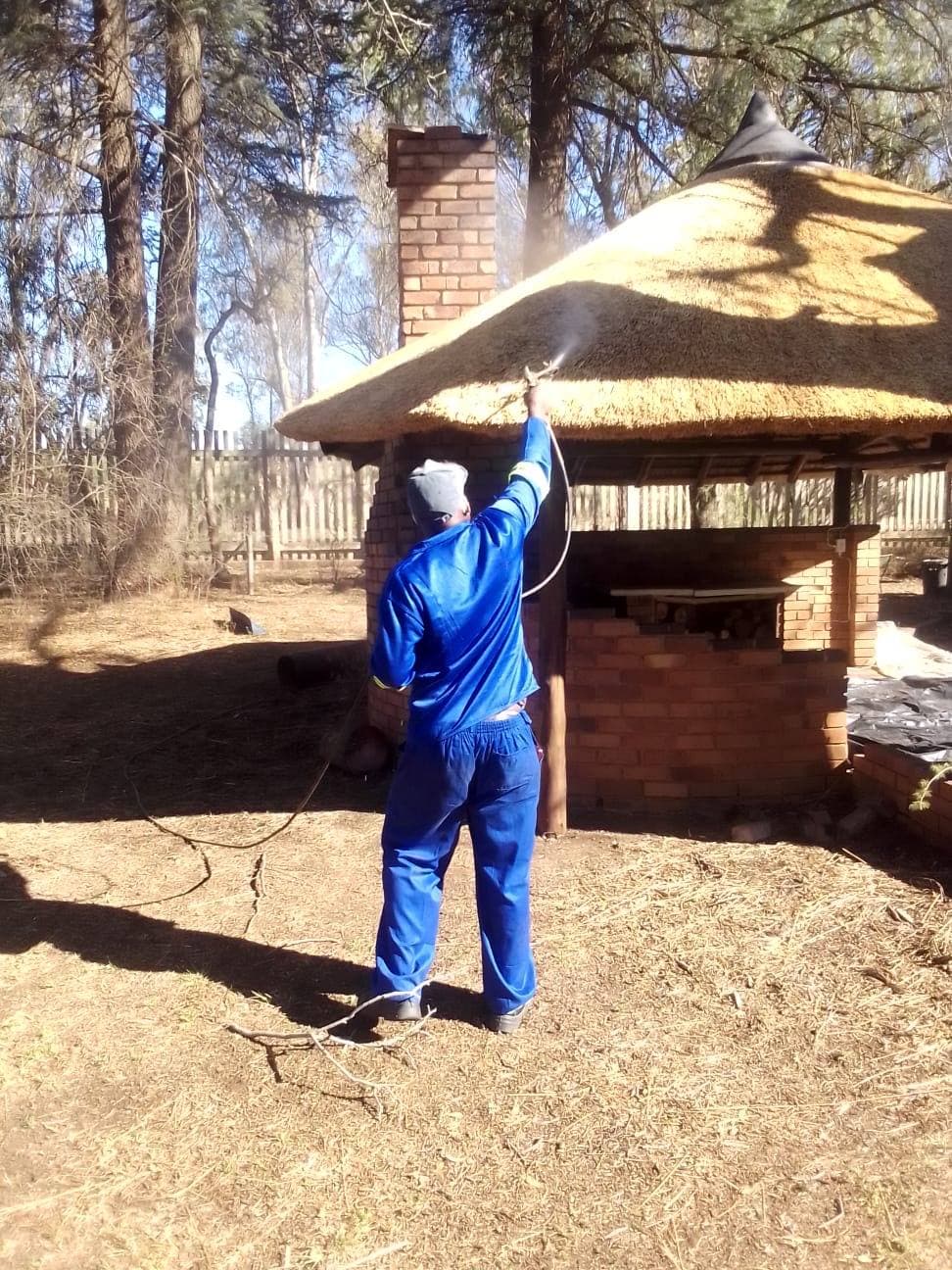
Lapa Ideas: Designing the Perfect Thatched Outdoor Space
Inspiration and practical guidance for planning a thatched lapa — from braai areas and poolside retreats to large entertainment pavilions, with 2026 cost guidance.
Cape Reed vs Thatching Grass: Choosing the Right Material
A practical comparison of Cape Reed and thatching grass — the two main thatching materials used in South Africa — covering lifespan, cost, appearance, and performance.
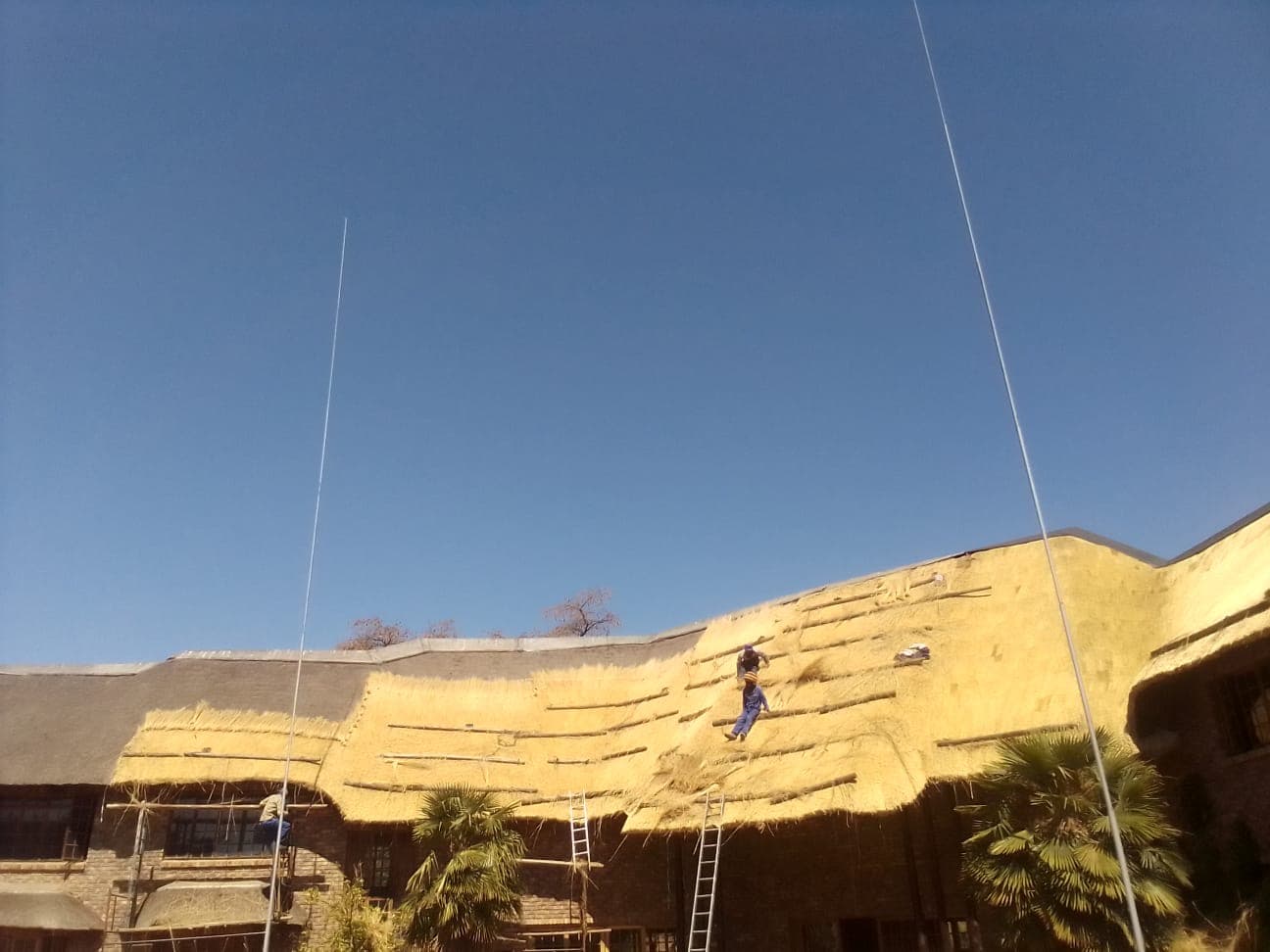
Thatch Roof Prices in South Africa: 2026 Cost Guide
What a thatch roof really costs in South Africa in 2026 — per-square-metre rates for new roofs, re-thatching, and maintenance, what drives the price, and how to compare quotes properly.
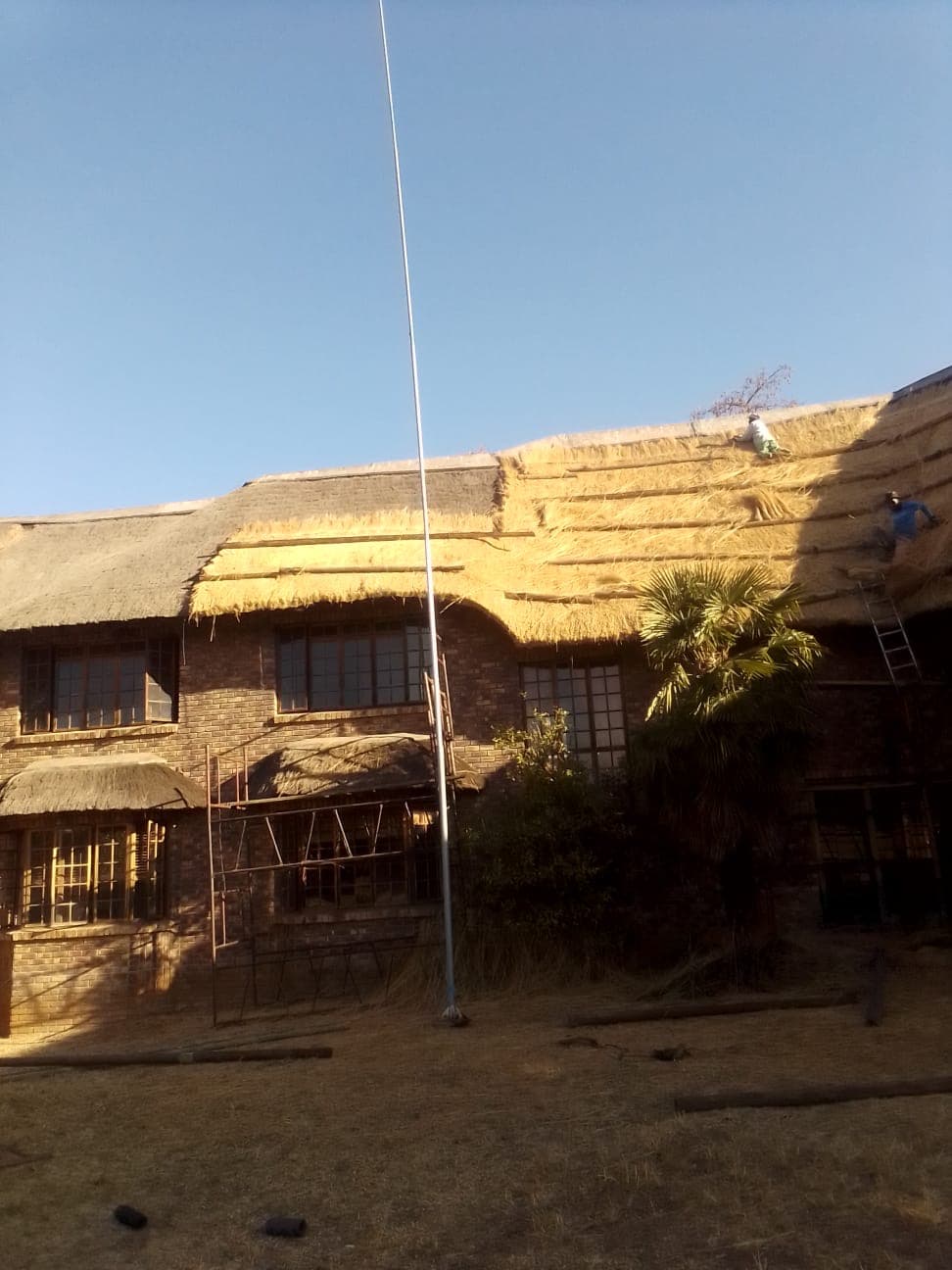
The Complete Re-Thatching Guide: When, Why, and What It Costs
How to tell whether your thatch roof needs a repair or a full re-thatch, what the re-thatching process involves step by step, how long it takes, and what it costs in 2026.
Thatch Roof Fire Safety: What South African Homeowners Need to Know
How modern fire retardant treatments, building standards, and lightning protection make thatched roofs a safe choice for South African homes.