Cape Reed vs Thatching Grass: Choosing the Right Material
A practical comparison of Cape Reed and thatching grass — the two main thatching materials used in South Africa — covering lifespan, cost, appearance, and performance.
By Walter at Project Master Thatching · 12+ years in the thatching industry
Two Materials, Different Characteristics
In South Africa, two main materials are used for thatching: Cape Reed (Thamnochortus insignis) and thatching grass (Hyparrhenia hirta). Both produce attractive thatched roofs, but they differ significantly in lifespan, cost, and performance. Understanding these differences helps you make the right choice for your project and budget.
Cape Reed
Cape Reed grows in a narrow coastal strip in the Southern Cape, primarily around Albertinia between Agulhas and Gouritsmond. It takes approximately six years to mature before harvest. The reed contains a natural tannin preservative that contributes to its exceptional durability.
A Cape Reed thatch roof typically lasts 25 to 40 years with proper maintenance. The reed is dense, strong, and produces a smooth, tight finish when properly packed. It is the preferred material for most residential and commercial thatching projects in Gauteng and across South Africa.
Cape Reed costs more than thatching grass, but the significantly longer lifespan makes it more cost-effective over time. At Project Master Thatching, we use premium Cape Reed for all our installations.
Thatching Grass
Thatching grass (Hyparrhenia hirta) is more widely available across South Africa and is harvested in winter after frost kills the plant. It is thinner and less dense than Cape Reed, producing a slightly different texture and appearance.
A thatching grass roof typically lasts 10 to 15 years — considerably shorter than Cape Reed. The grass is more susceptible to weathering, UV damage, and moisture retention, which accelerates its decay over time.
Thatching grass is more affordable upfront, which makes it suitable for certain budget-conscious projects or structures where a shorter lifespan is acceptable. However, the need for earlier replacement means the long-term cost can match or exceed Cape Reed.
Performance Comparison
In terms of waterproofing, both materials perform well when installed at the correct density and pitch. Cape Reed holds its density longer, maintaining waterproofing performance over more years before thinning becomes a concern.
For fire retardant treatment, both materials accept SANS 10407-compliant products effectively. The treatment penetrates the outer layer of thatch and must be reapplied every 3 to 5 years regardless of the material used.
Thermal insulation is comparable between the two when packed to the same thickness. The standard 300mm thickness provides excellent insulation with either material.
Which Should You Choose?
For homes, lodges, and any structure where you want the roof to last decades, Cape Reed is the clear choice. The higher upfront cost is offset by the 25 to 40 year lifespan and lower total cost of ownership.
Thatching grass may be suitable for temporary structures, budget projects, or areas where local grass is traditionally used. Discuss your options with your thatcher — an experienced contractor can advise on the best material for your specific project, climate, and budget.
Contact Walter at Project Master Thatching for advice on material selection and a free quote for your project.
Need Help With Your Thatch Roof?
Contact Walter for a free inspection, maintenance quote, or expert advice on your thatching project.
More Articles
How Long Does a Thatch Roof Last?
A well-maintained thatch roof can last 25 to 40 years or more. Learn what affects your roof's lifespan and how to get the most out of your investment.
Thatch Roof Maintenance: A Complete Guide for South African Homeowners
Regular maintenance is the key to a long-lasting thatch roof. This guide covers inspections, brushing, fire treatment, pest management, and when to call a professional.
The Benefits of Thatch Roofing in South Africa
From natural insulation to environmental sustainability, thatch roofing offers unique advantages that conventional roofing materials cannot match.
Thatch Roof vs Tiles: Which Is Right for Your South African Home?
Comparing thatch roofing and tile roofing across cost, insulation, lifespan, maintenance, and aesthetics to help South African homeowners make an informed choice.
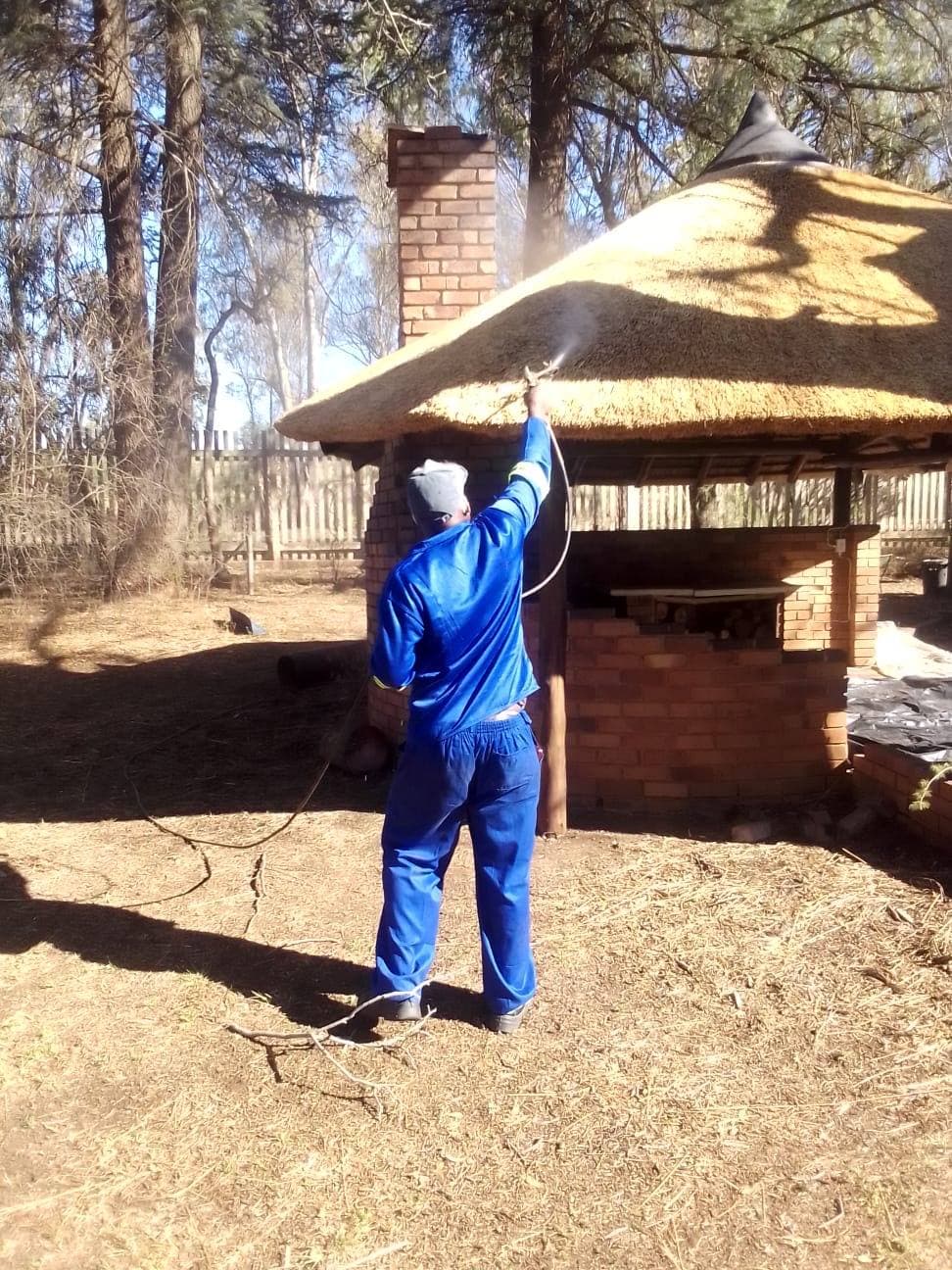
Lapa Ideas: Designing the Perfect Thatched Outdoor Space
Inspiration and practical guidance for planning a thatched lapa — from braai areas and poolside retreats to large entertainment pavilions, with 2026 cost guidance.
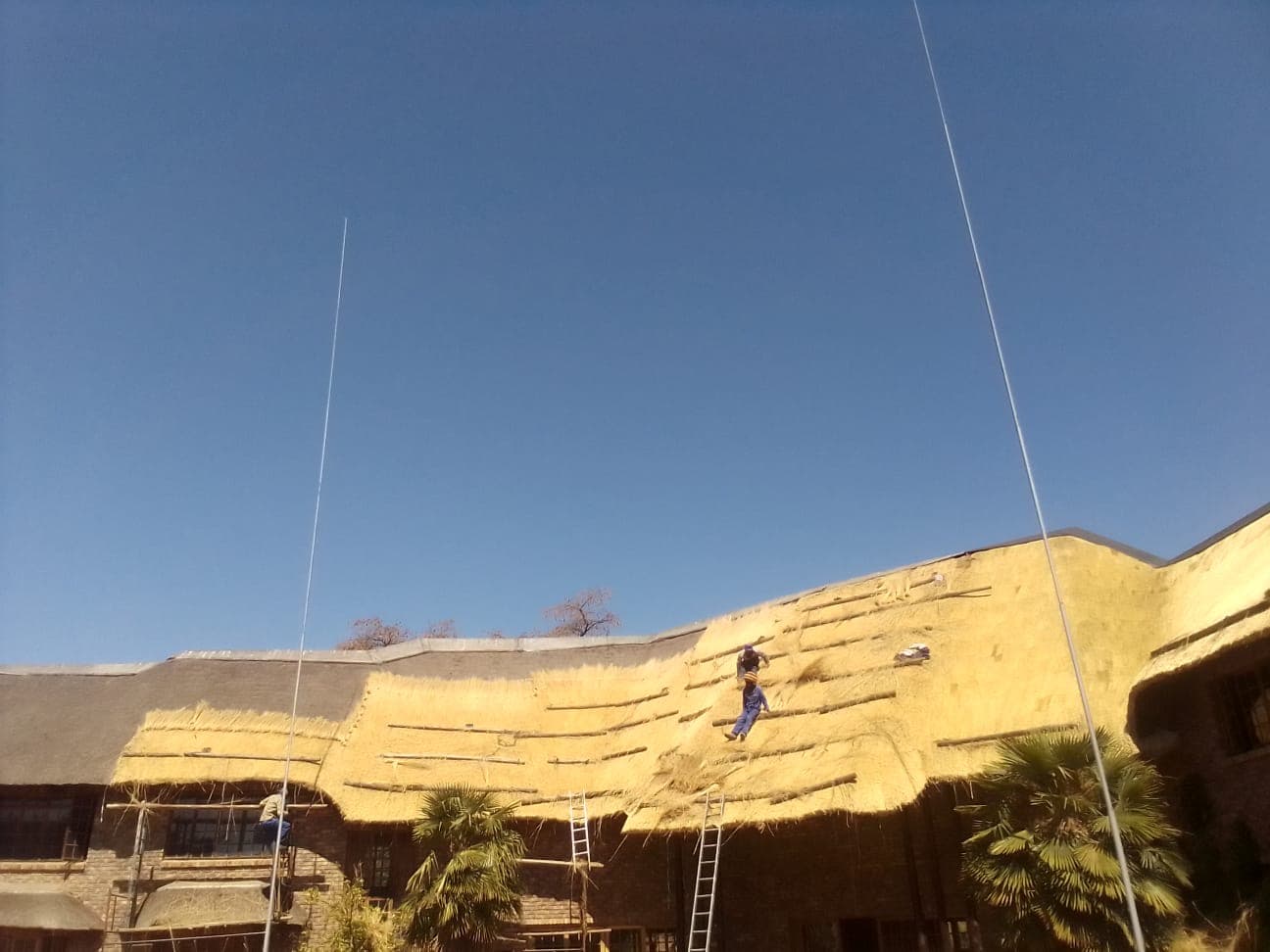
Thatch Roof Prices in South Africa: 2026 Cost Guide
What a thatch roof really costs in South Africa in 2026 — per-square-metre rates for new roofs, re-thatching, and maintenance, what drives the price, and how to compare quotes properly.
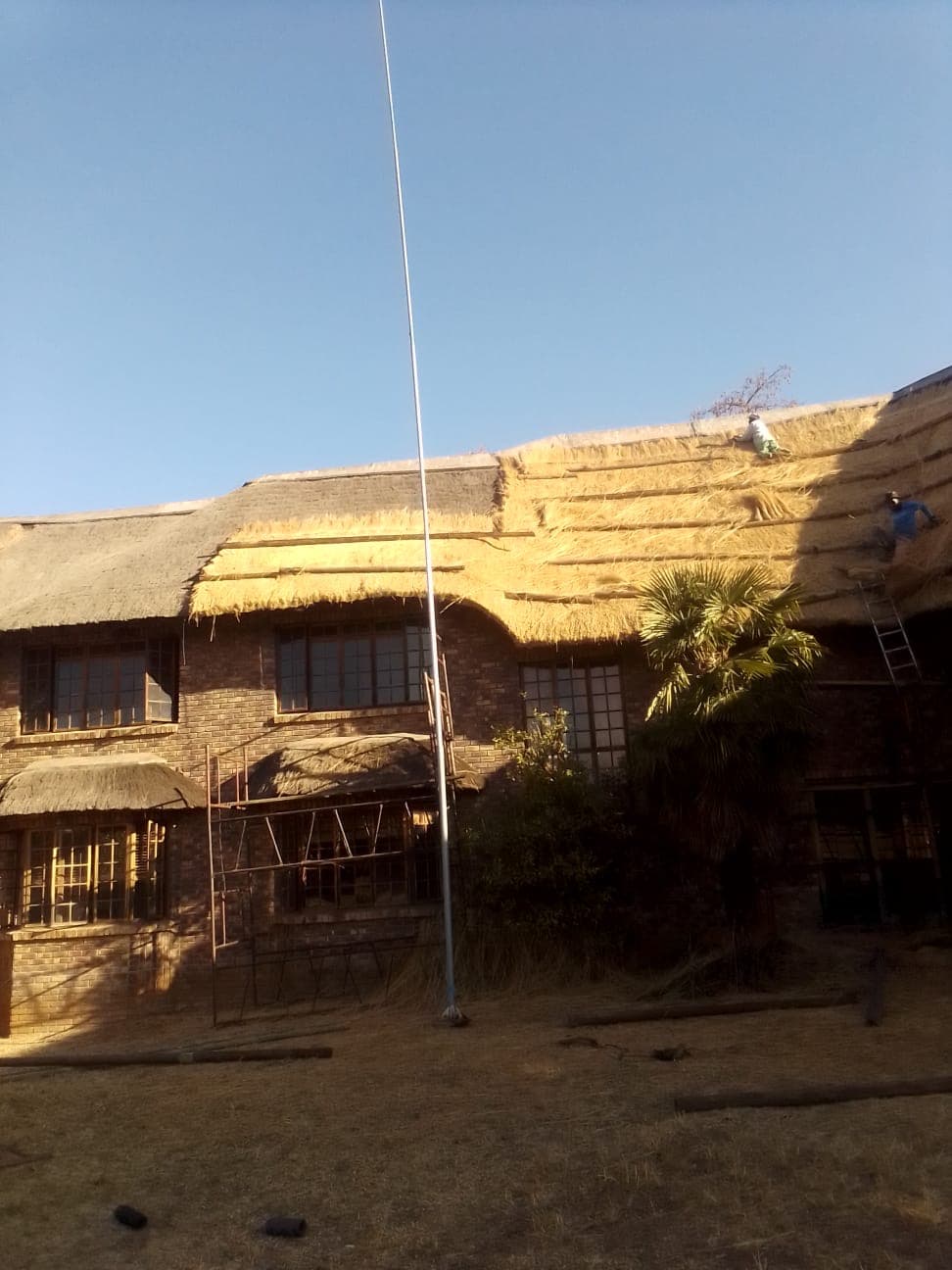
The Complete Re-Thatching Guide: When, Why, and What It Costs
How to tell whether your thatch roof needs a repair or a full re-thatch, what the re-thatching process involves step by step, how long it takes, and what it costs in 2026.
Thatch Roof Fire Safety: What South African Homeowners Need to Know
How modern fire retardant treatments, building standards, and lightning protection make thatched roofs a safe choice for South African homes.