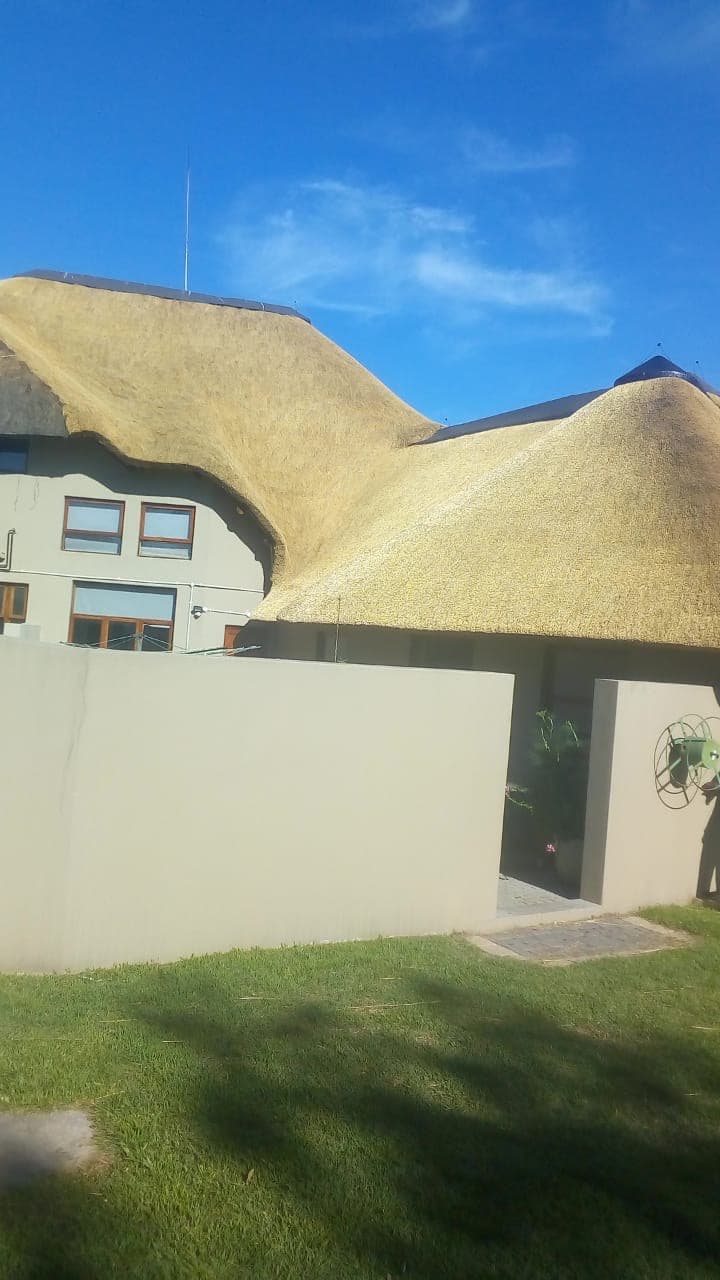
How Long Does a Thatch Roof Last?
A well-maintained thatch roof can last 25 to 40 years or more. Learn what affects your roof's lifespan and how to get the most out of your investment.
By Walter at Project Master Thatching · 12+ years in the thatching industry
Thatch Roof Lifespan in South Africa
One of the most common questions homeowners ask before investing in a thatched roof is how long it will last. The good news is that a properly installed and maintained thatch roof typically lasts between 25 and 40 years. In drier inland climates with less humidity, some roofs have been known to last even longer.
The lifespan of your thatch roof depends heavily on the material used, the quality of installation, your local climate, and how consistently you maintain it. Understanding these factors helps you make informed decisions and get the best return on your roofing investment.
Material Choice Sets the Baseline
The material on your roof sets the baseline for how long it will last. South African thatchers work mainly with two options: Cape Reed, the dense, slow-maturing reed harvested in the Southern Cape, and thatching grass, a lighter and more affordable alternative.
As a rule of thumb, a well-installed Cape Reed roof gives you 25 to 40 years of service, while a thatching grass roof generally needs replacing after 10 to 15. Reed's density and natural tannin content slow weathering considerably, which is why it is the standard choice for homes and commercial structures. Our Cape Reed vs thatching grass comparison guide, listed under the articles below, unpacks the trade-offs fully.
What Affects Your Thatch Roof's Lifespan
Climate is the single biggest factor in thatch roof longevity. High humidity, frequent rainfall, and intense UV exposure all accelerate the natural weathering process. Coastal properties tend to see shorter lifespans due to salt air and moisture, while inland roofs in drier areas like parts of Gauteng, the Free State, and the Karoo often last longer.
Roof pitch plays a critical role in water shedding. SANS 10407, the South African national standard for thatched roof construction, requires a minimum roof pitch of 45 degrees. Steeper pitches allow rainwater to run off quickly, reducing the time moisture sits on the thatch surface and slowing decay.
Installation quality is equally important. Thatch that is properly packed to the correct density, with well-constructed ridges and valleys, will outperform a poorly installed roof regardless of the material used. This is why choosing experienced, qualified thatchers matters.
Finally, maintenance regularity has a direct impact. A roof that receives annual inspections, regular brushing, and timely fire retardant treatment will last significantly longer than one that is neglected.
Signs Your Thatch Roof Needs Attention
Visible thinning is one of the earliest signs that your thatch is reaching the end of its life. If you can see daylight through the roof from inside the building, it may be time for a re-thatch or at least a partial repair.
Persistent leaks after rain, especially in areas that have been repaired before, suggest the thatch has deteriorated beyond what patching can fix. Sagging sections indicate the underlying structure may also need inspection.
Heavy moss or lichen growth that cannot be removed through brushing is another warning sign. These organisms hold moisture against the reed surface, accelerating decay from within. Ridge deterioration, where the top of the roof shows cracking or gaps, is common and should be addressed promptly to prevent water ingress.
How to Maximise Your Roof's Lifespan
The most effective way to extend your thatch roof's life is a consistent maintenance schedule. We recommend annual inspections to catch small issues early, professional brushing and dressing every two to three years to remove debris and restore the roof's surface, and fire retardant re-treatment every three to five years.
Prompt repairs are also essential. A small leak or area of bird damage that is fixed quickly can prevent far more extensive and expensive work later. Trees and branches overhanging your roof should be trimmed back, as they trap moisture and provide access for birds and animals.
If you're building new, investing in quality materials and experienced thatchers from the start is the best foundation for a long-lasting roof. Contact Walter at Project Master Thatching for a free assessment of your roof's condition or to discuss a new installation.
Need Help With Your Thatch Roof?
Contact Walter for a free inspection, maintenance quote, or expert advice on your thatching project.
More Articles
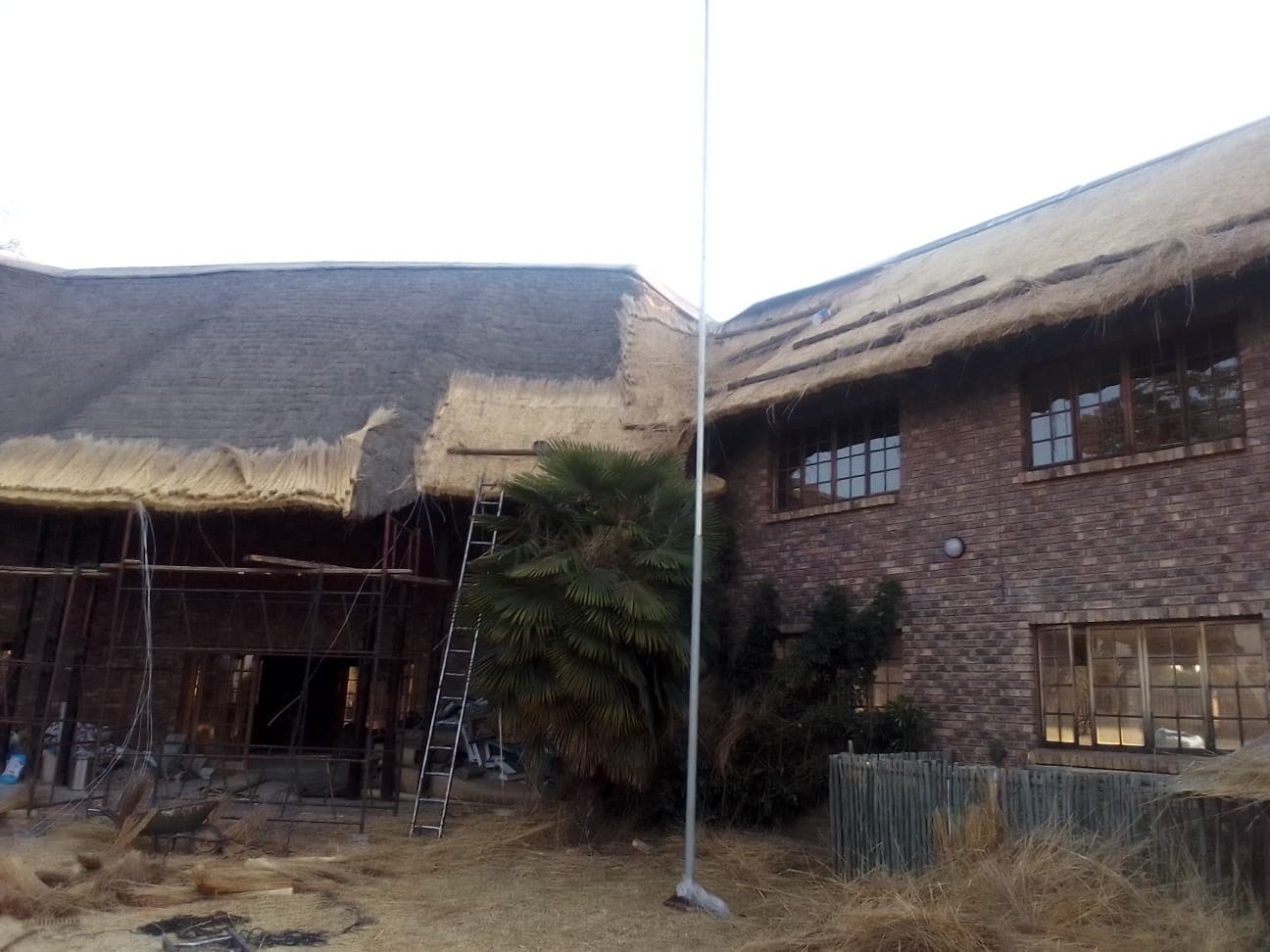
Thatch Roof Maintenance: A Complete Guide for South African Homeowners
Regular maintenance is the key to a long-lasting thatch roof. This guide covers inspections, brushing, fire treatment, pest management, and when to call a professional.
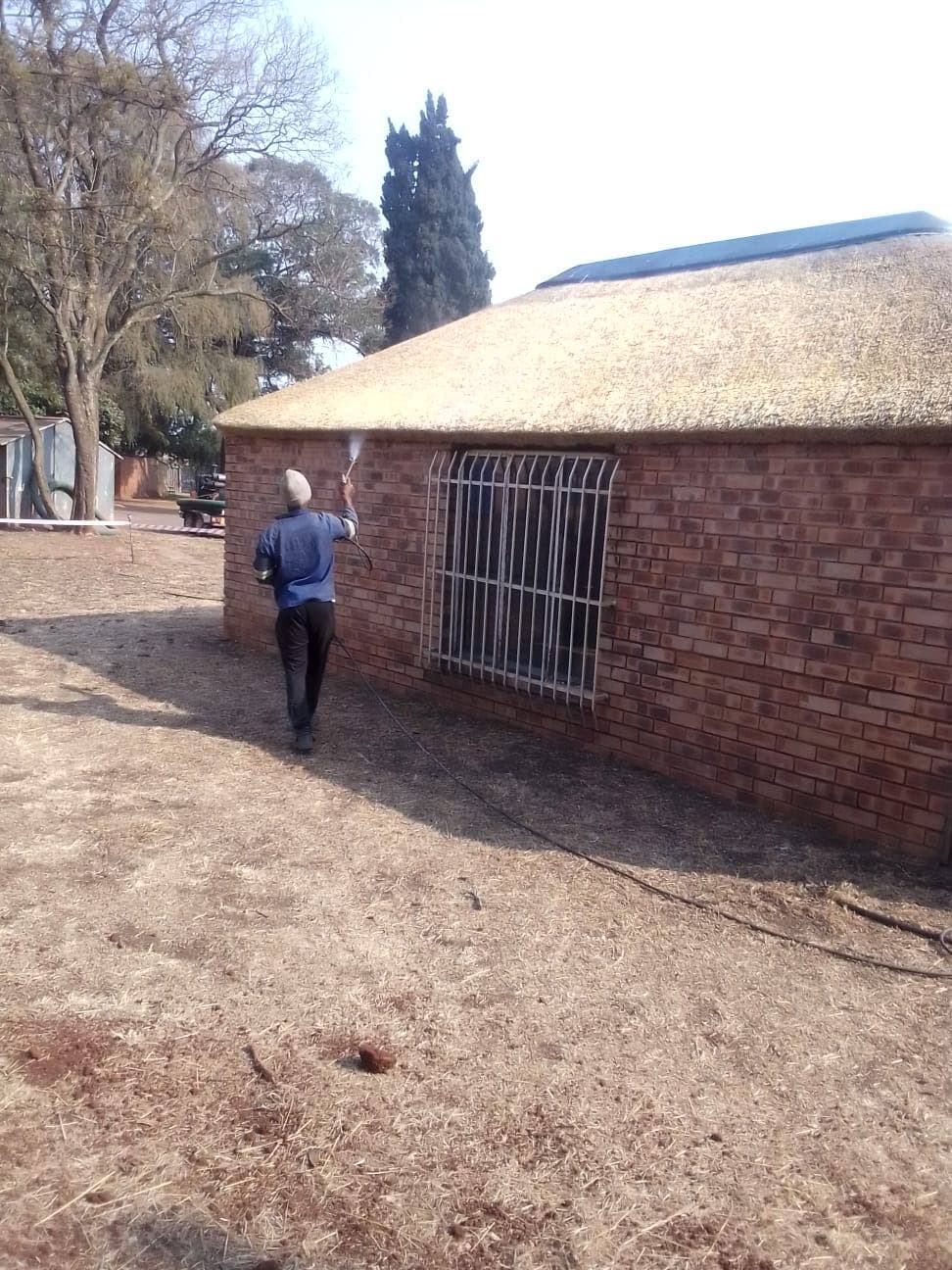
The Benefits of Thatch Roofing in South Africa
From natural insulation to environmental sustainability, thatch roofing offers unique advantages that conventional roofing materials cannot match.
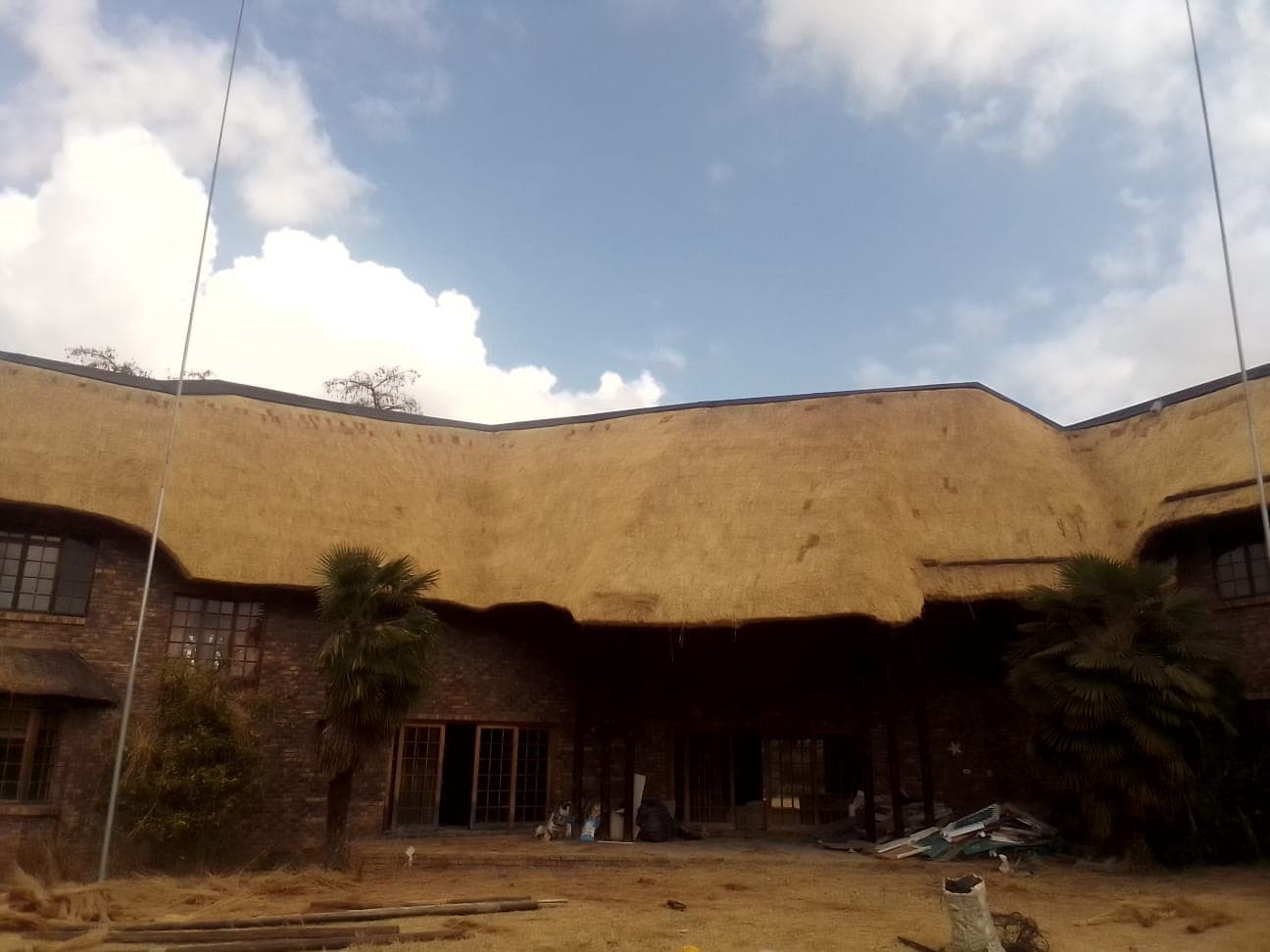
Thatch Roof vs Tiles: Which Is Right for Your South African Home?
Comparing thatch roofing and tile roofing across cost, insulation, lifespan, maintenance, and aesthetics to help South African homeowners make an informed choice.
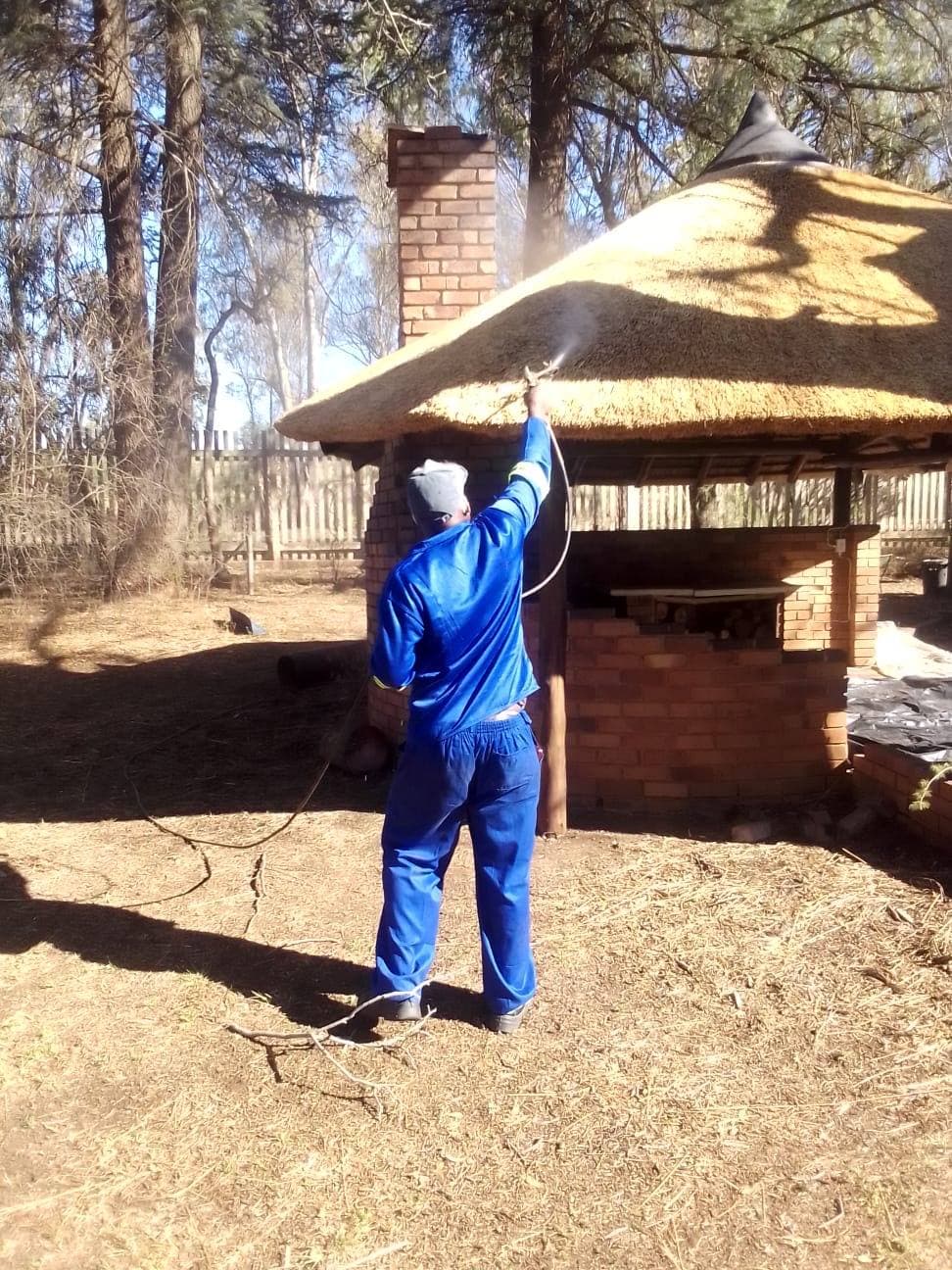
Lapa Ideas: Designing the Perfect Thatched Outdoor Space
Inspiration and practical guidance for planning a thatched lapa — from braai areas and poolside retreats to large entertainment pavilions, with 2026 cost guidance.
Cape Reed vs Thatching Grass: Choosing the Right Material
A practical comparison of Cape Reed and thatching grass — the two main thatching materials used in South Africa — covering lifespan, cost, appearance, and performance.
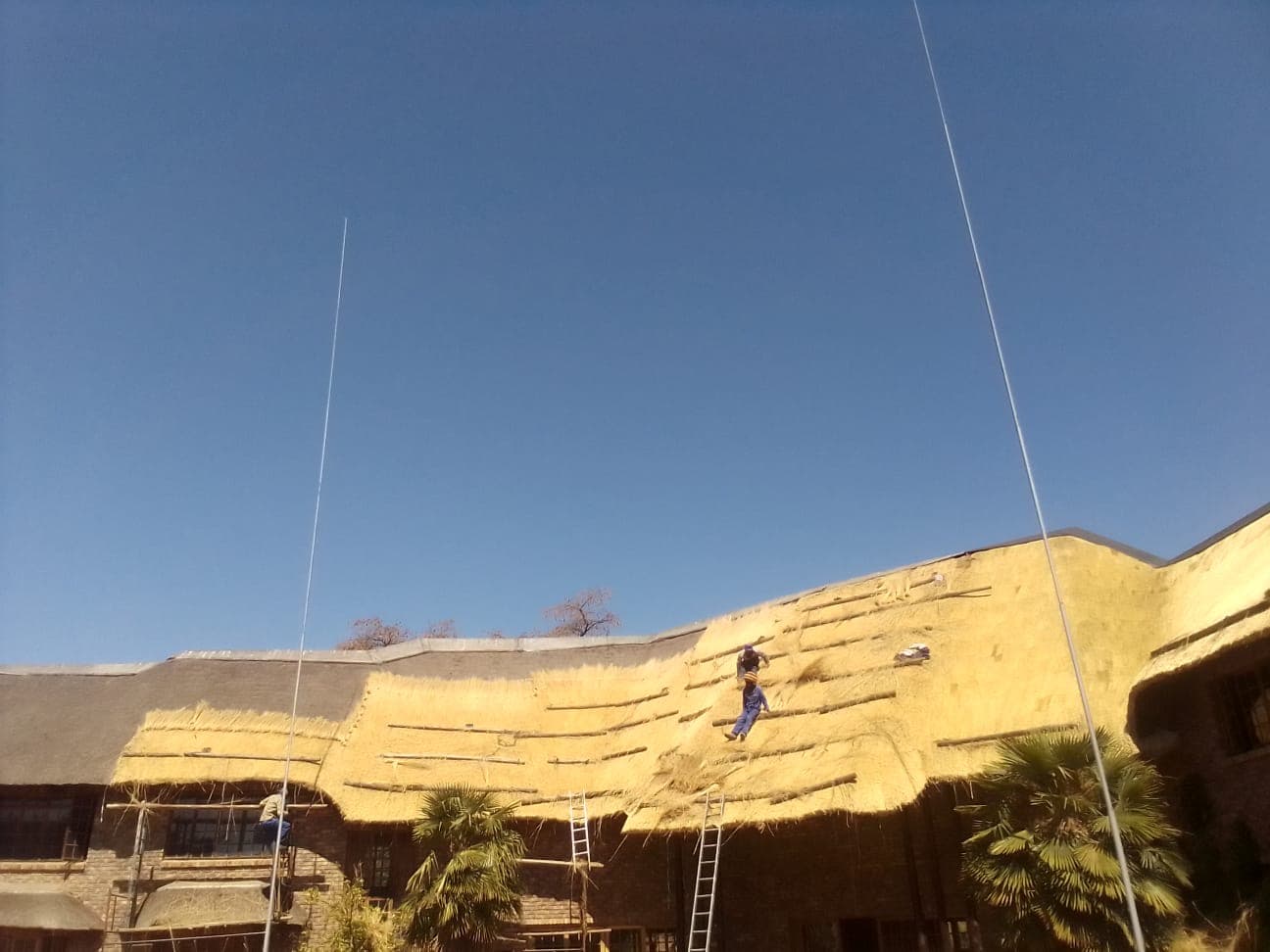
Thatch Roof Prices in South Africa: 2026 Cost Guide
What a thatch roof really costs in South Africa in 2026 — per-square-metre rates for new roofs, re-thatching, and maintenance, what drives the price, and how to compare quotes properly.
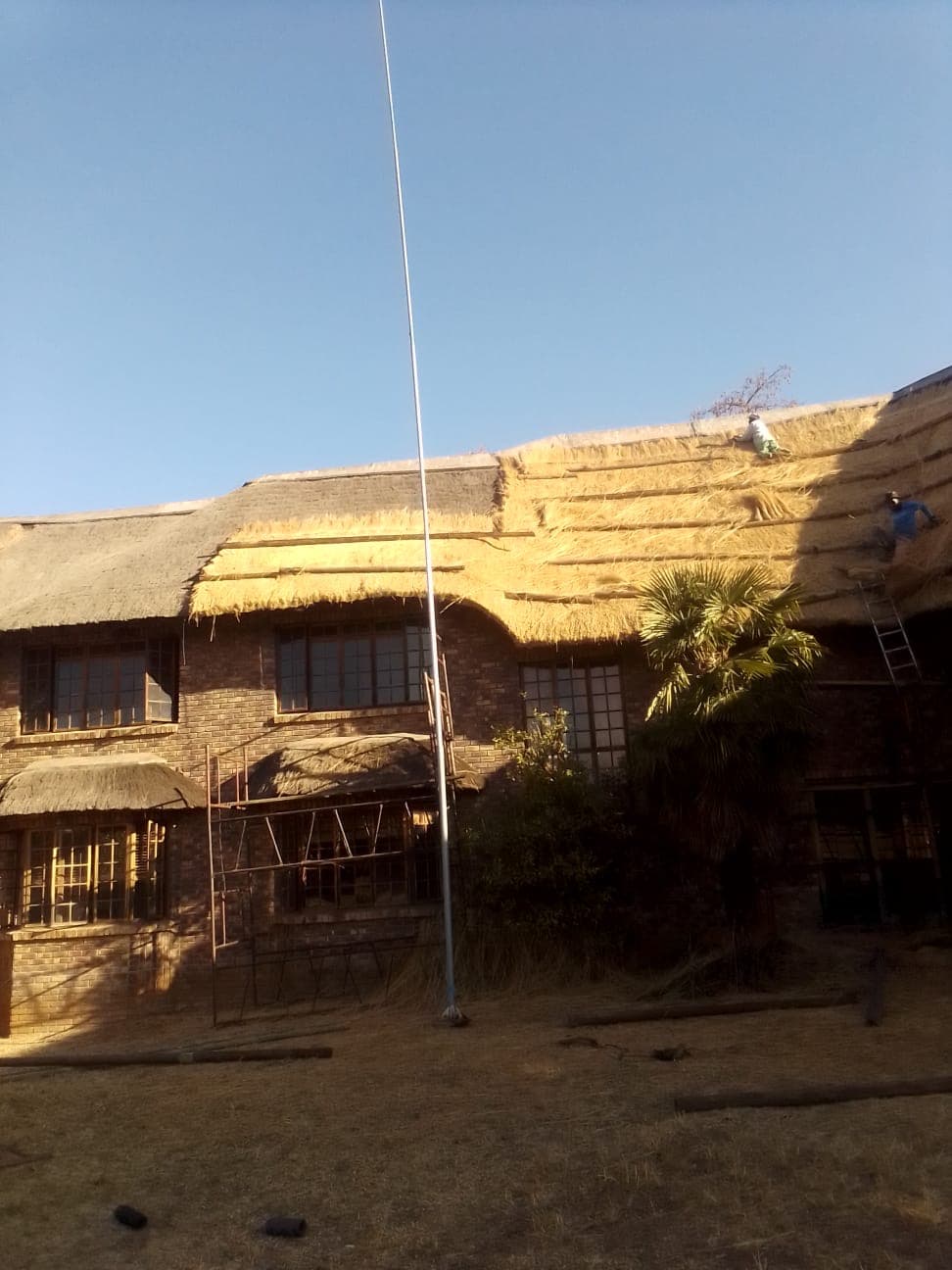
The Complete Re-Thatching Guide: When, Why, and What It Costs
How to tell whether your thatch roof needs a repair or a full re-thatch, what the re-thatching process involves step by step, how long it takes, and what it costs in 2026.
Thatch Roof Fire Safety: What South African Homeowners Need to Know
How modern fire retardant treatments, building standards, and lightning protection make thatched roofs a safe choice for South African homes.