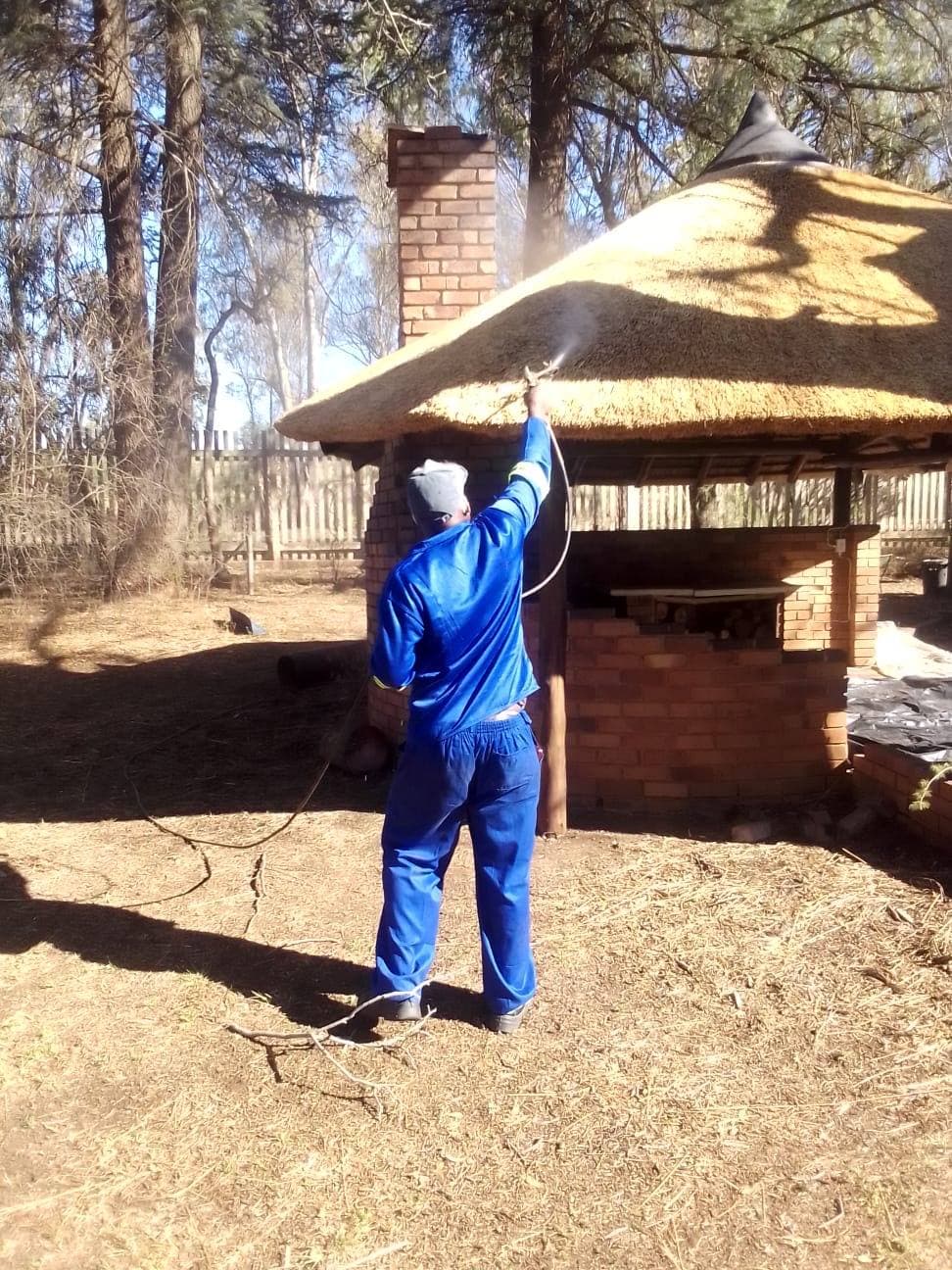
Lapa Ideas: Designing the Perfect Thatched Outdoor Space
Inspiration and practical guidance for planning a thatched lapa — from braai areas and poolside retreats to large entertainment pavilions, with 2026 cost guidance.
By Walter at Project Master Thatching · 12+ years in the thatching industry
What Is a Lapa?
A lapa is an open-sided or partially enclosed outdoor structure with a thatched roof, traditionally used as a gathering and entertainment space. In South Africa, lapas are one of the most popular ways to extend your living area outdoors. They provide natural shade, a cool breeze in summer, and a sheltered space for braais, meals, and entertaining year-round.
Lapas can range from a simple braai shelter to a large entertainment pavilion with built-in seating, lighting, and bar areas. The thatched roof keeps the space naturally cool and gives it a distinctive character that other roofing materials cannot match.
Braai Lapa
The most common lapa type in South African homes is the braai lapa — a thatched structure designed around a built-in or freestanding braai. These typically feature treated gum poles for the structure, a thatch roof for shade, and enough covered space for a table and seating.
A braai lapa can be as simple as a 3x4 metre shelter or as large as you need. We build the full structure from foundation to thatch roof, including any brickwork for the braai itself. The key is positioning — consider prevailing wind direction so smoke blows away from your seating area.
Poolside Lapa
A thatched lapa next to a swimming pool creates a resort-like atmosphere in your own garden. Poolside lapas provide essential shade for hot Gauteng summers and a comfortable space to relax without going back indoors.
When building near a pool, we ensure the structure is positioned to avoid leaf drop into the water and that the gum poles are adequately treated against moisture from splashing and pool chemicals. Drainage around the lapa is also important to prevent water pooling.
Entertainment Pavilion
For larger properties, a full entertainment pavilion with a thatched roof can serve as a dedicated venue for functions, parties, and family gatherings. These structures can incorporate half-walls for wind protection, built-in bars, prep areas, and even bathrooms.
We work with you to design the layout based on how you plan to use the space. Larger lapas may require engineered plans depending on your municipality's requirements. We can advise on what approvals are needed for your area.
Design Considerations
The roof pitch must be at least 45 degrees to comply with SANS 10407 and ensure proper water run-off. This is a non-negotiable building standard for thatched structures and affects the overall height and proportions of your lapa.
Gum poles should be CCA-treated to resist termites, rot, and weather exposure. The foundation typically involves concrete footings for each pole, with the depth depending on your soil type. Electrical wiring for lighting should be planned before construction begins — it is much easier to run cables during the build than to retrofit afterwards.
Consider the orientation of your lapa relative to the sun. In Gauteng, a north-facing opening gives you winter sun while the thatch provides shade in summer when the sun is higher.
How Much Does a Lapa Cost in 2026?
Lapa construction is quoted per project because every build is different — but you can budget realistically with a few anchors. The thatching itself runs at our guide rate of R750 per square metre of roof area, supply and fix, including fire retardant treatment. The structure — CCA-treated gum poles, concrete footings, roof lattice — is priced on top of that, and varies with the size and design of the lapa.
As a rough sense of scale: a compact 3x4 metre braai lapa has a roof area of around 20 to 25 square metres once the 45-degree pitch and overhangs are accounted for, while a generous entertainment lapa can easily carry 60 to 100 square metres of roof. Roof area is always larger than floor area on a thatched structure — the steep pitch that SANS 10407 requires sees to that — which is worth knowing when you compare quotes.
Extras that move the price: brickwork for a built-in braai, flooring, half-walls for wind protection, electrical work for lighting, and site conditions like slopes or difficult access. A proper quote itemises all of it. We provide a detailed, itemised quote after a free on-site assessment across Gauteng — contact Walter at Project Master Thatching to discuss your lapa project.
Lapa Repairs and Re-Thatching
If you already own a lapa that has seen better days, you rarely need to rebuild it. A worn ridge, thinning thatch, or a leak over the braai area are all repairable — and if the reed layer as a whole has thinned out, re-thatching the existing structure at R450 per square metre costs a fraction of a new build while giving you an effectively new roof.
The gum pole structure usually outlives the thatch by decades when the poles were properly treated, so a tired-looking lapa is very often a sound structure wearing an old coat. We assess lapa condition free of charge and quote for exactly what it needs — a repair, a re-ridge, or a re-thatch.
Need Help With Your Thatch Roof?
Contact Walter for a free inspection, maintenance quote, or expert advice on your thatching project.
More Articles
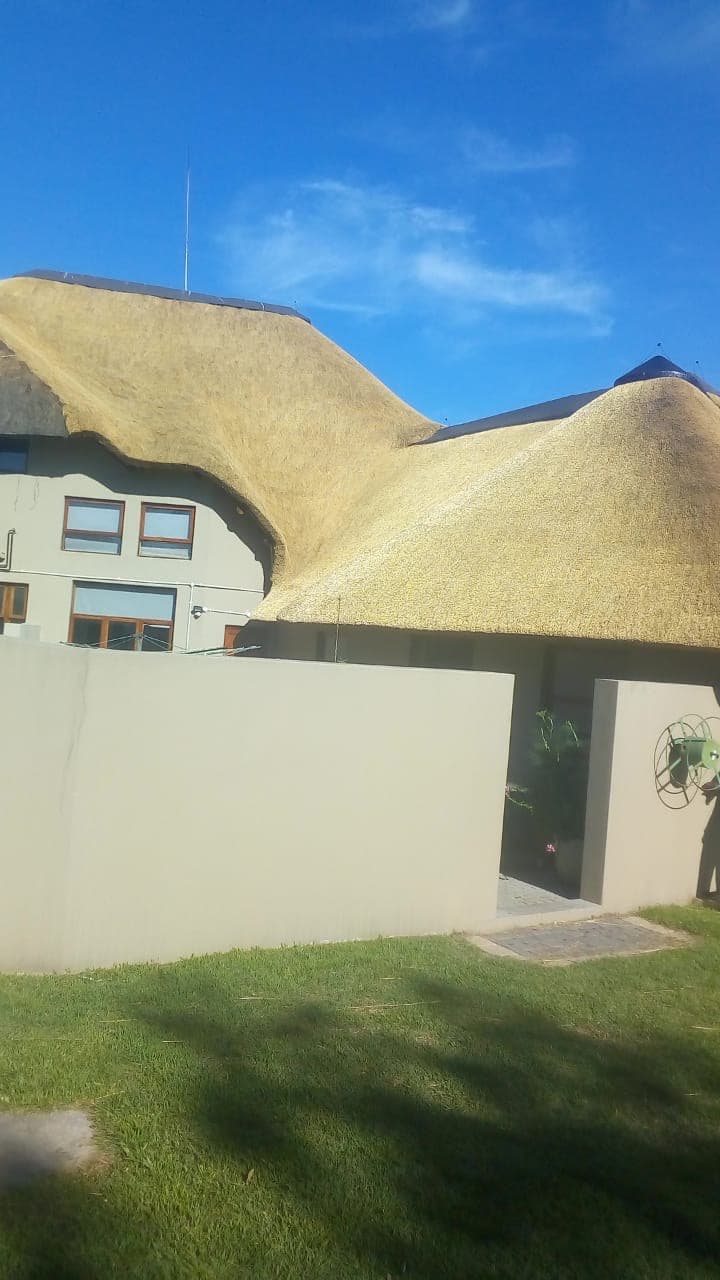
How Long Does a Thatch Roof Last?
A well-maintained thatch roof can last 25 to 40 years or more. Learn what affects your roof's lifespan and how to get the most out of your investment.
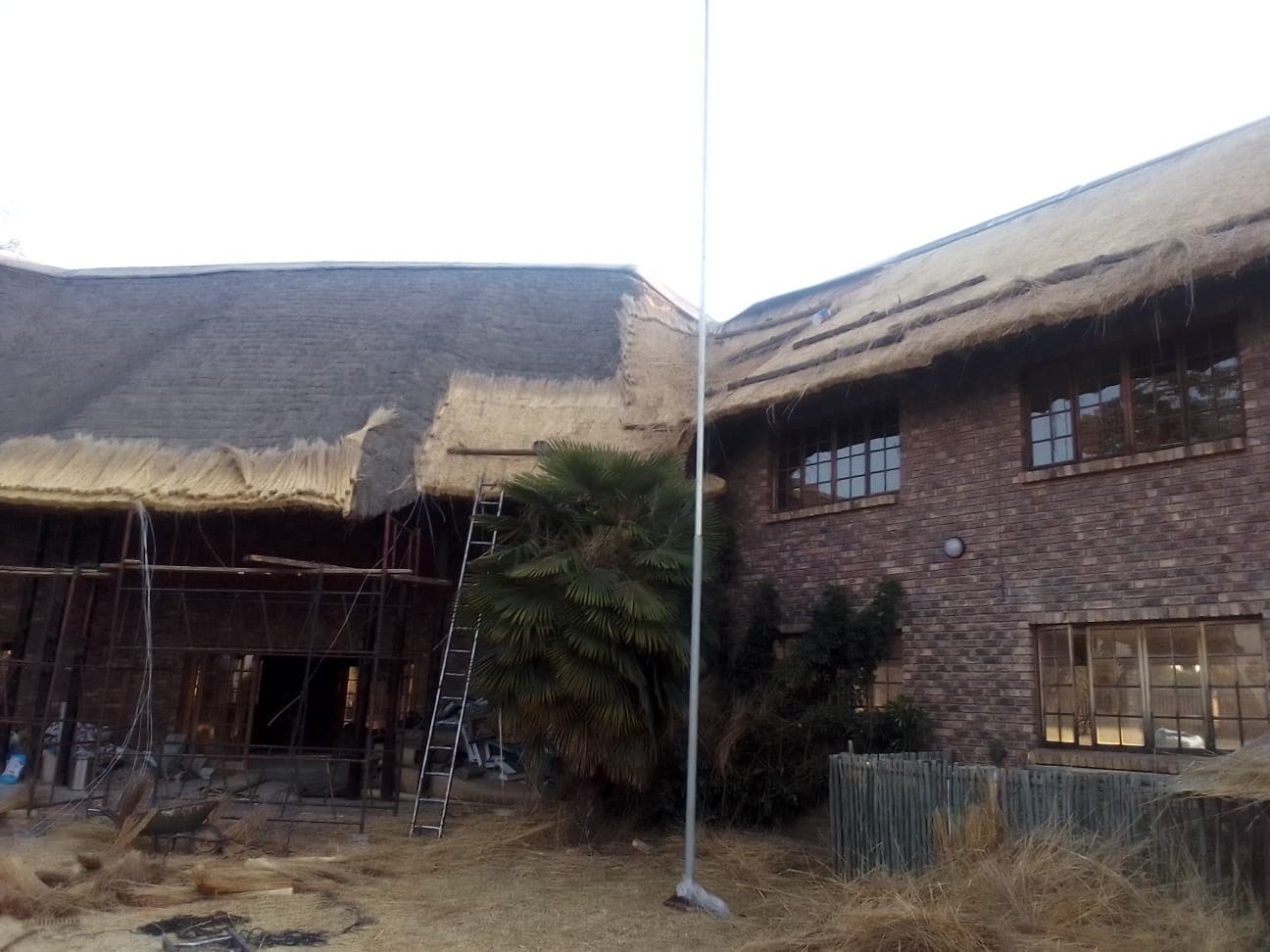
Thatch Roof Maintenance: A Complete Guide for South African Homeowners
Regular maintenance is the key to a long-lasting thatch roof. This guide covers inspections, brushing, fire treatment, pest management, and when to call a professional.
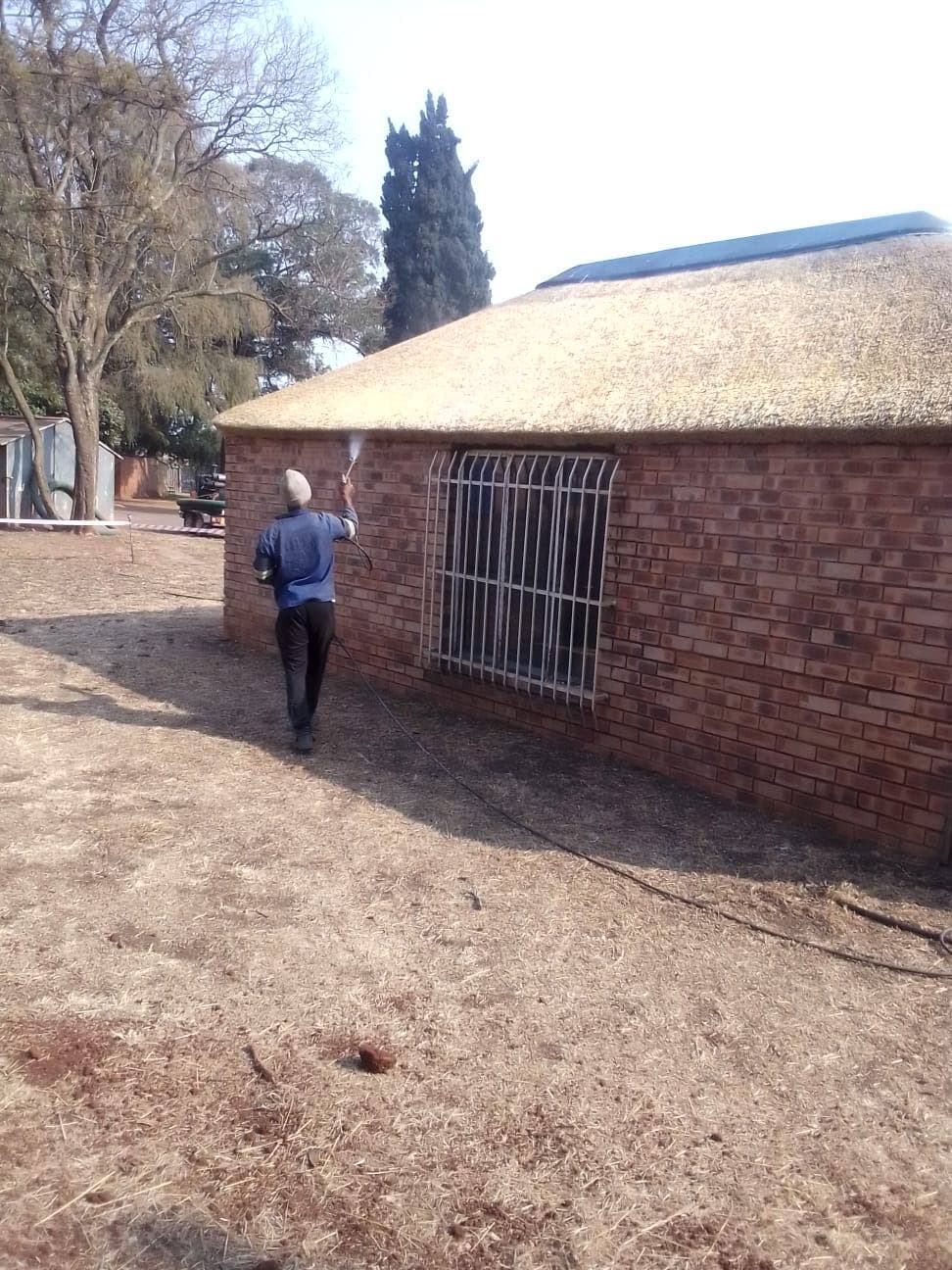
The Benefits of Thatch Roofing in South Africa
From natural insulation to environmental sustainability, thatch roofing offers unique advantages that conventional roofing materials cannot match.
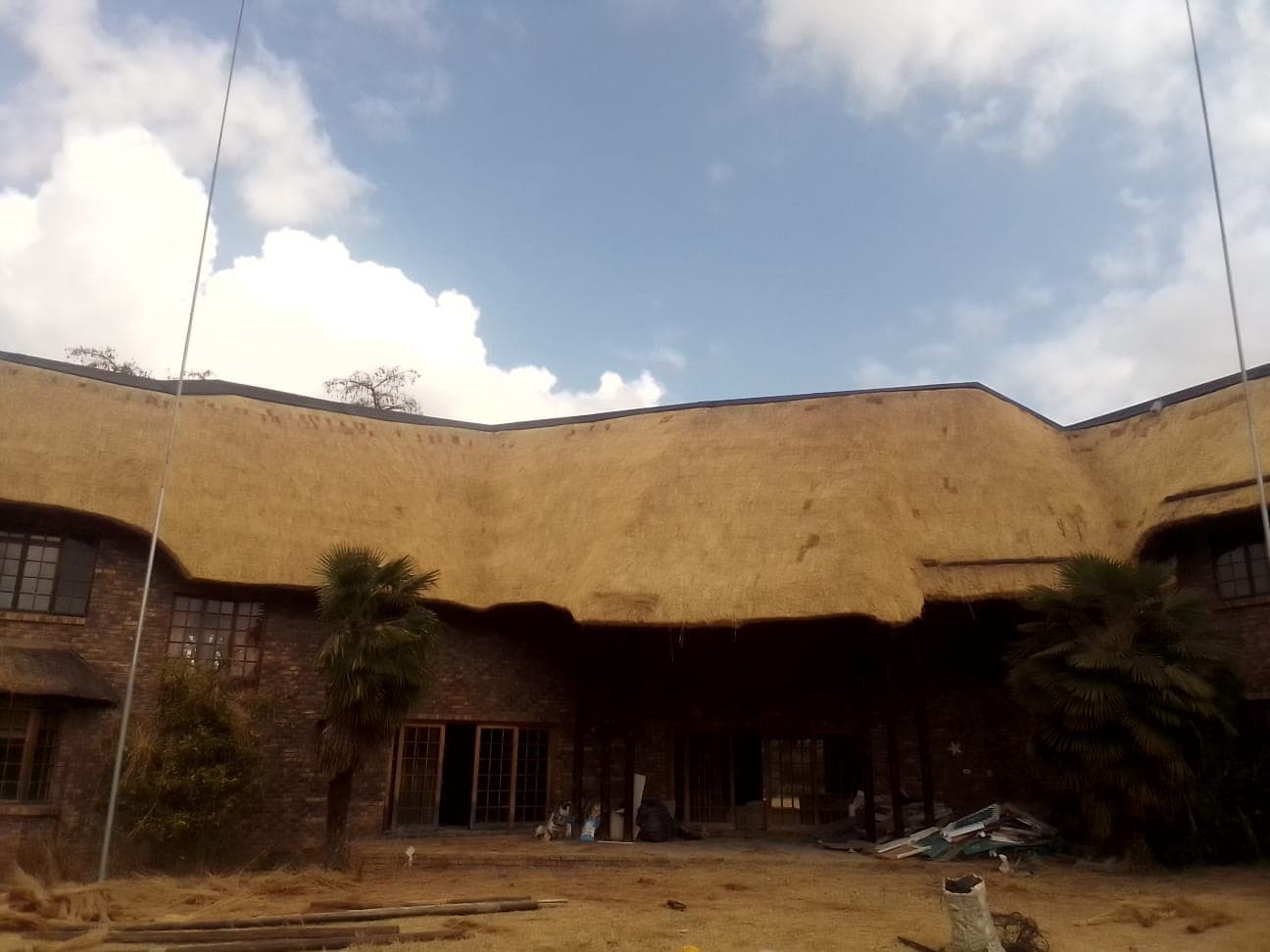
Thatch Roof vs Tiles: Which Is Right for Your South African Home?
Comparing thatch roofing and tile roofing across cost, insulation, lifespan, maintenance, and aesthetics to help South African homeowners make an informed choice.
Cape Reed vs Thatching Grass: Choosing the Right Material
A practical comparison of Cape Reed and thatching grass — the two main thatching materials used in South Africa — covering lifespan, cost, appearance, and performance.
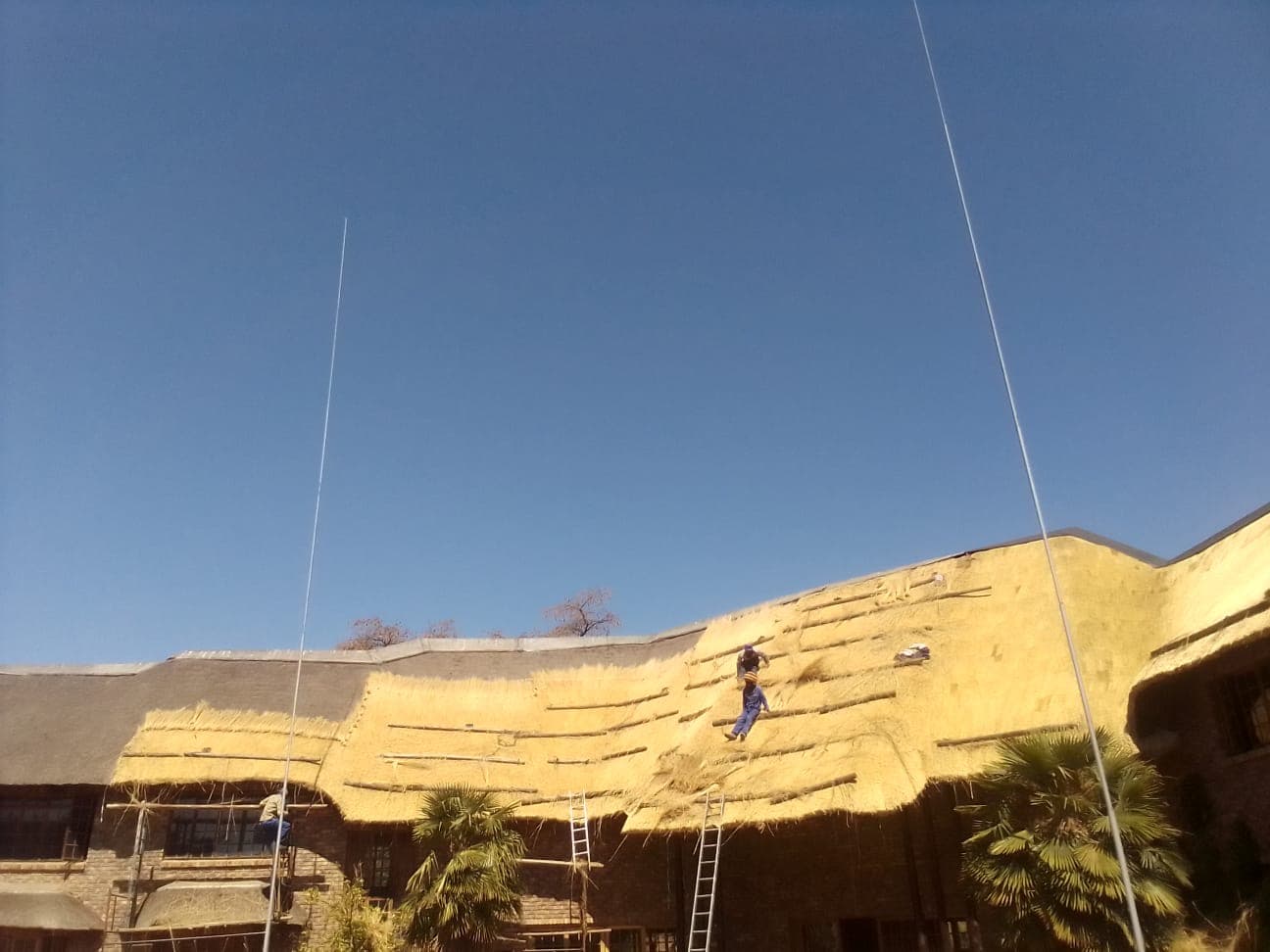
Thatch Roof Prices in South Africa: 2026 Cost Guide
What a thatch roof really costs in South Africa in 2026 — per-square-metre rates for new roofs, re-thatching, and maintenance, what drives the price, and how to compare quotes properly.
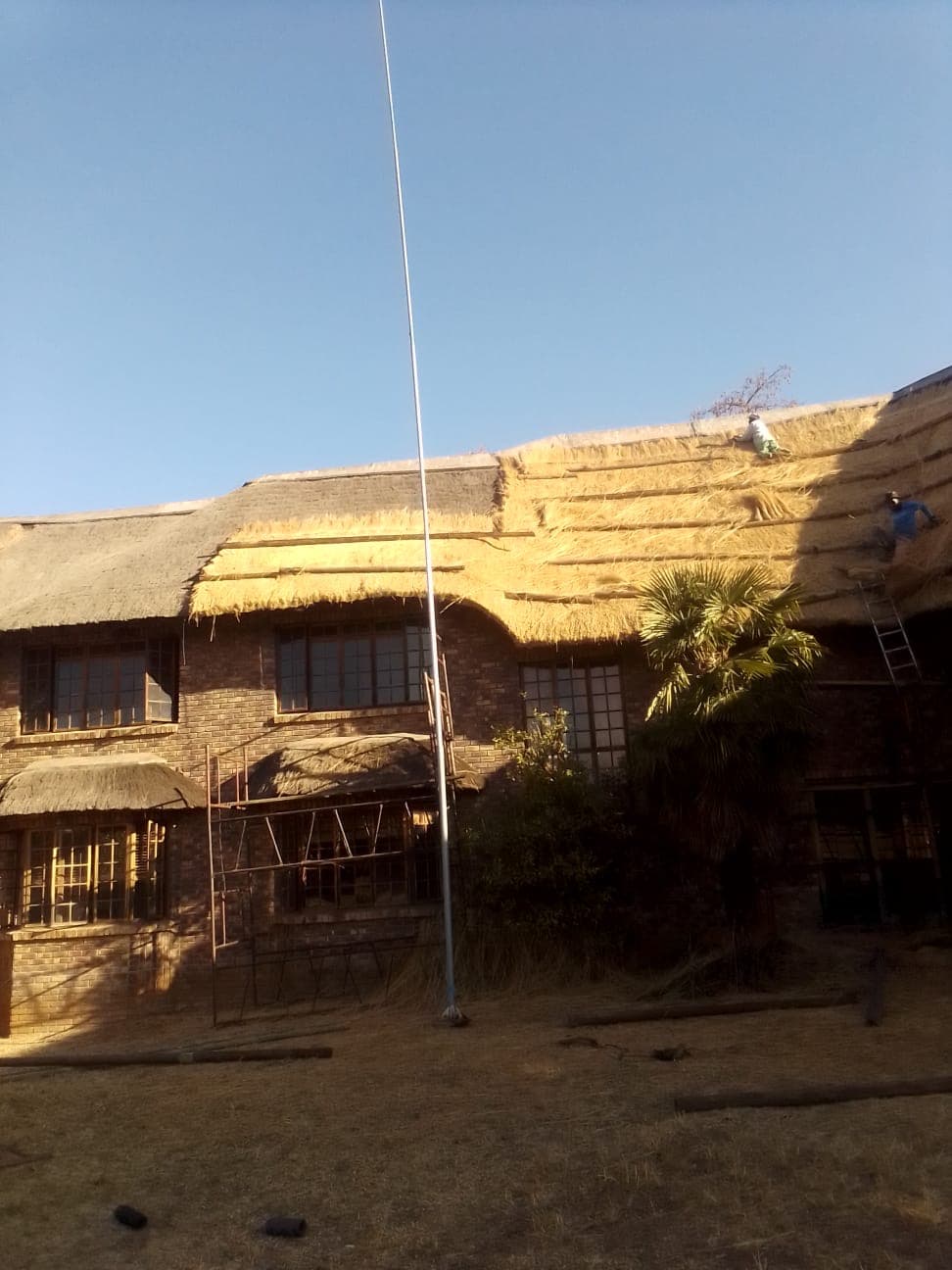
The Complete Re-Thatching Guide: When, Why, and What It Costs
How to tell whether your thatch roof needs a repair or a full re-thatch, what the re-thatching process involves step by step, how long it takes, and what it costs in 2026.
Thatch Roof Fire Safety: What South African Homeowners Need to Know
How modern fire retardant treatments, building standards, and lightning protection make thatched roofs a safe choice for South African homes.