Thatch Roof Fire Safety: What South African Homeowners Need to Know
How modern fire retardant treatments, building standards, and lightning protection make thatched roofs a safe choice for South African homes.
By Walter at Project Master Thatching · 12+ years in the thatching industry
Is Thatch Roofing a Fire Risk?
Fire safety is one of the most common concerns raised by homeowners considering a thatch roof. It is a fair question — thatch is a natural, organic material and untreated thatch can burn. However, modern fire retardant technology and building standards have made thatched roofs significantly safer than they were in the past.
Thousands of insured thatched properties exist across South Africa, and with proper treatment and maintenance, a thatch roof meets the safety and insurance requirements set out in South African building standards.
Fire Retardant Treatment
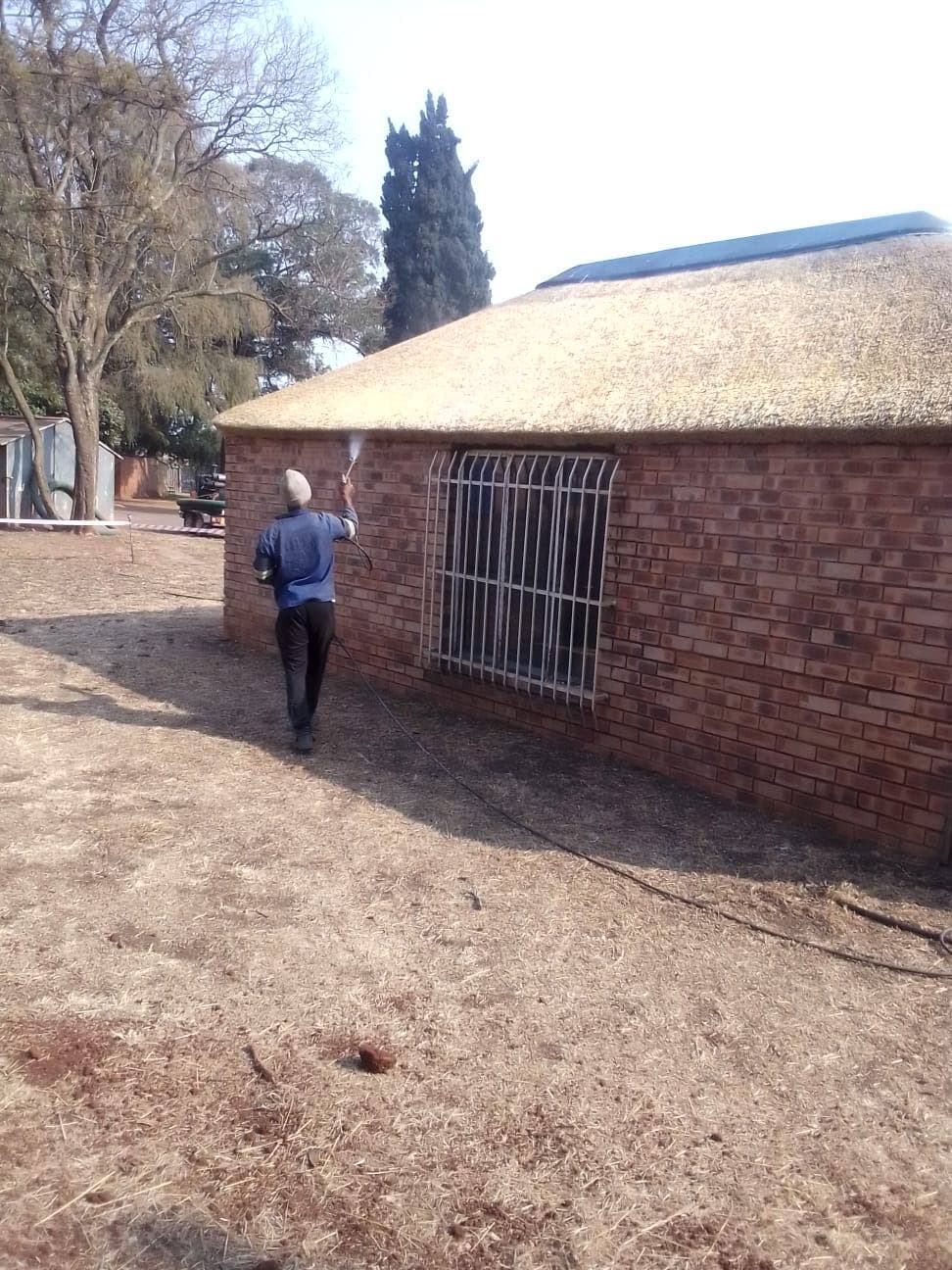
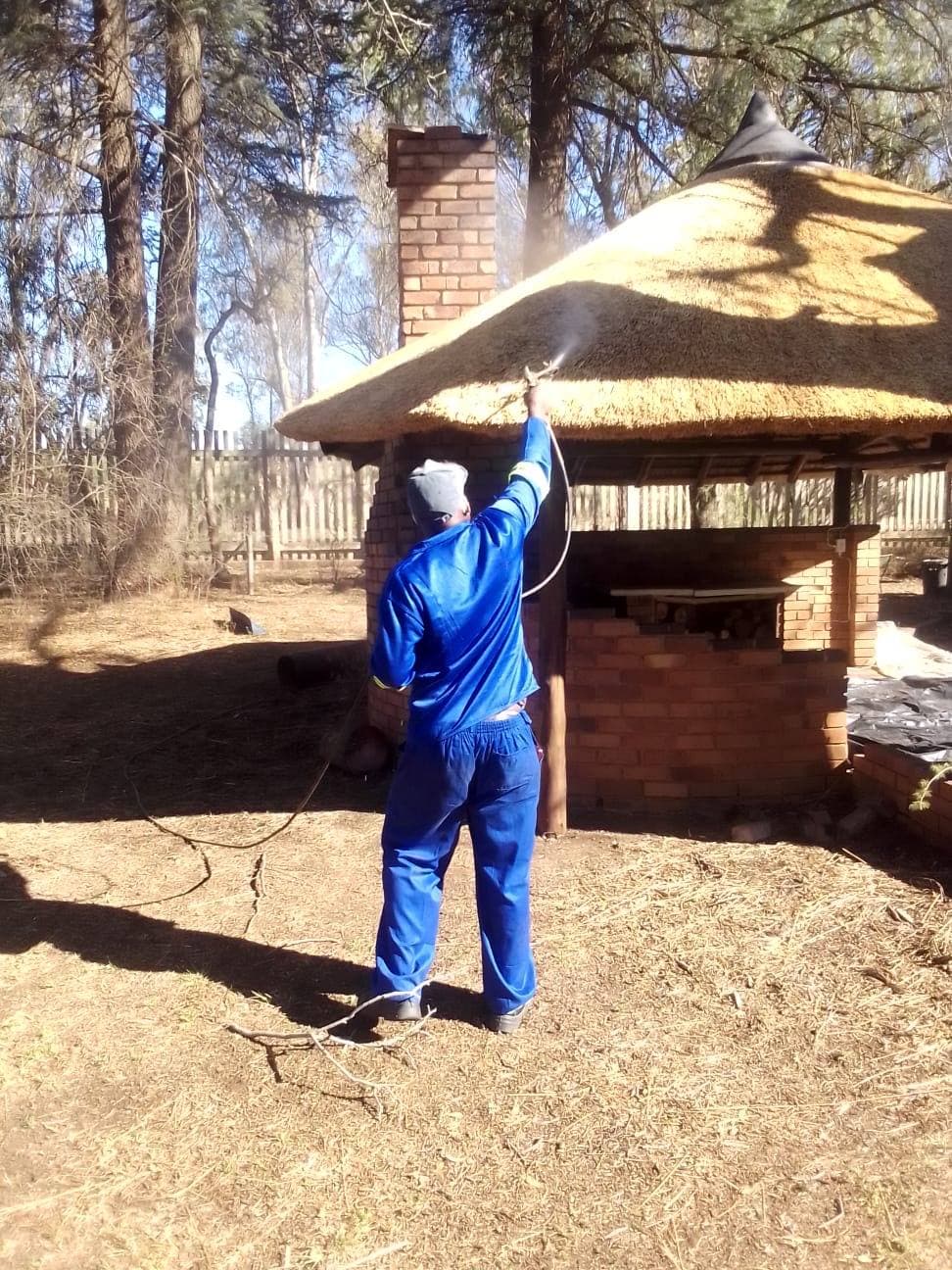
Fire retardant treatment is applied to thatch roofs by spraying or soaking the reed with a chemical product that slows the spread of flame across the roof surface. These products are tested to the specifications in SANS 10407, the South African national standard for thatched roof construction.
When properly applied, fire retardant treatment does not make thatch fireproof, but it significantly reduces the speed at which fire can spread. This provides critical extra time for occupants to evacuate and for fire services to respond.
Fire retardant treatment should be renewed every 3 to 5 years. The renewal interval depends on your location — coastal areas with higher humidity may need more frequent treatment, while inland areas like Gauteng typically fall on the 5-year end. At Project Master Thatching, we include SANS 10407-compliant fire retardant treatment with all new installations and re-thatching projects.
SANS Building Standards
SANS 10407 governs the construction of thatched roofs in South Africa. It specifies requirements for materials, minimum roof pitch (45 degrees), construction methods, and fire retardant treatment. Building to this standard is important for insurance compliance and structural safety.
SANS 62305-3 covers lightning protection for thatched buildings. Given that South Africa — particularly Gauteng — has one of the highest lightning strike rates in the world, lightning protection is critical. The standard specifies conductor placement, earthing requirements, and separation distances from the thatch.
Lightning Protection
Lightning is the most common cause of thatch roof fires in South Africa. A properly installed lightning protection system is essential for any thatched building, especially in Gauteng where summer thunderstorms are frequent and intense.
A typical system includes a lightning conductor on the roof ridge, down-conductors running to earth stakes, and bonding of all metal components within or on the building. Installation must be carried out by a registered electrician who can issue a certificate of compliance.
Most insurance companies require a valid lightning protection certificate for thatched properties. This is not just a policy requirement — it is a genuine safety measure that protects your property and everyone in it.
Practical Fire Safety Tips
Keep trees and branches trimmed away from the thatch. Overhanging vegetation can catch embers and spread fire to the roof. Maintain a clear zone around the building where possible.
Ensure braai areas and fire pits are positioned well away from the thatch overhang. Sparks from an open flame can travel further than you might expect, especially in windy conditions.
Do not allow electrical wiring to come into direct contact with thatch. All electrical installations in thatched buildings should be carried out by a qualified electrician following the relevant SANS standards.
Maintain your fire retardant treatment on schedule and keep the certificate accessible for insurance purposes. If you are unsure when your roof was last treated, a professional thatcher can assess the current state of the treatment.
Our Approach to Fire Safety
At Project Master Thatching, fire safety is built into every project from the start. All new thatch roof installations and re-thatching projects include SANS 10407-compliant fire retardant treatment. We provide a treatment certificate for your insurance records and can advise on lightning protection requirements.
If your existing roof is due for fire retardant re-treatment, contact Walter to arrange an assessment and treatment. Keeping your treatment current is one of the most important things you can do to protect your thatched property.
Need Help With Your Thatch Roof?
Contact Walter for a free inspection, maintenance quote, or expert advice on your thatching project.
More Articles
How Long Does a Thatch Roof Last?
A well-maintained thatch roof can last 25 to 40 years or more. Learn what affects your roof's lifespan and how to get the most out of your investment.
Thatch Roof Maintenance: A Complete Guide for South African Homeowners
Regular maintenance is the key to a long-lasting thatch roof. This guide covers inspections, brushing, fire treatment, pest management, and when to call a professional.
The Benefits of Thatch Roofing in South Africa
From natural insulation to environmental sustainability, thatch roofing offers unique advantages that conventional roofing materials cannot match.
Thatch Roof vs Tiles: Which Is Right for Your South African Home?
Comparing thatch roofing and tile roofing across cost, insulation, lifespan, maintenance, and aesthetics to help South African homeowners make an informed choice.
Lapa Ideas: Designing the Perfect Thatched Outdoor Space
Inspiration and practical guidance for planning a thatched lapa — from braai areas and poolside retreats to large entertainment pavilions, with 2026 cost guidance.
Cape Reed vs Thatching Grass: Choosing the Right Material
A practical comparison of Cape Reed and thatching grass — the two main thatching materials used in South Africa — covering lifespan, cost, appearance, and performance.
Thatch Roof Prices in South Africa: 2026 Cost Guide
What a thatch roof really costs in South Africa in 2026 — per-square-metre rates for new roofs, re-thatching, and maintenance, what drives the price, and how to compare quotes properly.
The Complete Re-Thatching Guide: When, Why, and What It Costs
How to tell whether your thatch roof needs a repair or a full re-thatch, what the re-thatching process involves step by step, how long it takes, and what it costs in 2026.