Thatch Roof vs Tiles: Which Is Right for Your South African Home?
Comparing thatch roofing and tile roofing across cost, insulation, lifespan, maintenance, and aesthetics to help South African homeowners make an informed choice.
By Walter at Project Master Thatching · 12+ years in the thatching industry
Thatch vs Tiles — A Practical Comparison
Choosing a roof for your home is one of the biggest decisions you will make during a build or renovation. In South Africa, the two most common options are thatch and concrete or clay tiles. Both have their strengths, and the right choice depends on your priorities — whether that is insulation, cost, appearance, or long-term maintenance.
This guide compares thatch and tile roofing on the factors that matter most to South African homeowners.
Thermal Insulation
Thatch is one of the best natural insulators available. A standard 300mm-thick thatch roof creates thousands of small air pockets that slow heat transfer. In practice, a thatched home can be 10 to 15 degrees cooler inside during summer than a tile-roofed home of similar design. In winter, thatch retains warmth effectively, reducing the need for heating.
Concrete and clay tiles have poor natural insulation. Most tiled roofs require additional ceiling insulation (such as aerolite or isotherm) to achieve comparable thermal performance, which adds to the total cost of the roof.
Cost Comparison
A new thatch roof typically costs more upfront than a standard concrete tile roof. However, this comparison does not account for the ceiling insulation, guttering, and underlay that tiled roofs require. When you factor in the full installed cost including insulation, the gap narrows significantly.
Thatch roofs do not require gutters (water drips from the eaves naturally), and the natural insulation eliminates the need for additional ceiling insulation in most cases. Over the full lifespan of the roof, the total cost of ownership can be comparable.
Lifespan and Durability
A well-maintained Cape Reed thatch roof lasts 25 to 40 years. Concrete tiles typically last 30 to 50 years, and clay tiles can last 50 years or more with minimal maintenance.
The key difference is maintenance frequency. Thatch requires regular attention — annual inspections, brushing every 2 to 3 years, and fire retardant treatment every 3 to 5 years. Tile roofs require less frequent maintenance, though cracked or slipped tiles do need replacing, and waterproofing membranes beneath tiles degrade over time.
Fire Safety
Fire safety is often raised as a concern with thatch roofing. Modern thatch roofs are treated with fire retardants tested to SANS 10407, the South African national standard. These treatments significantly slow flame spread across the roof surface. Combined with lightning protection installed to SANS 62305-3, a modern thatch roof meets insurance and municipal requirements.
Tiles are non-combustible, which is an inherent advantage. However, the fire risk of thatch is manageable with proper treatment and maintenance — thousands of insured thatch properties across South Africa demonstrate this.
Aesthetics and Character
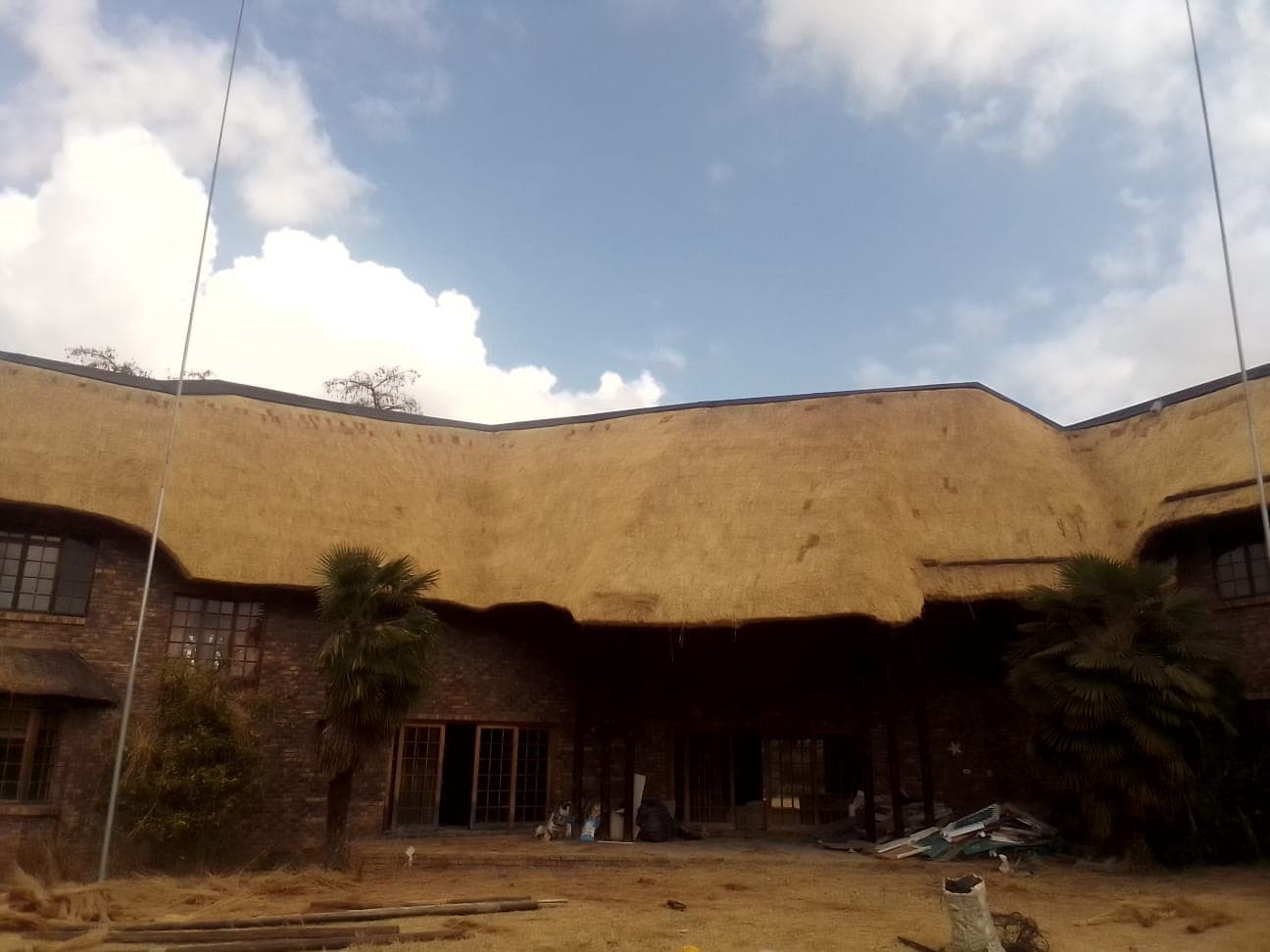
Thatch gives a property a distinctive natural character that tiles cannot replicate. The warm tones, organic shape, and handcrafted texture of thatch are particularly suited to South African landscapes — from bushveld lodges to suburban homes. No two thatch roofs are identical.
Tiles offer more colour options and a uniform appearance. They suit certain architectural styles better, particularly modern and contemporary designs. The choice here comes down to personal preference and the style of your property.
Which Should You Choose?
Choose thatch if you value natural insulation, distinctive aesthetics, and are willing to invest in regular maintenance. Thatch is ideal for homes, lodges, lapas, and properties where the natural look complements the setting.
Choose tiles if you prefer lower maintenance and a more conventional appearance. Tiles suit modern designs and areas with very high fire risk where additional peace of mind is valued.
Both are sound roofing choices when properly installed and maintained. If you are considering a thatch roof, contact Walter at Project Master Thatching for a free consultation and honest advice on whether thatch is right for your property.
Need Help With Your Thatch Roof?
Contact Walter for a free inspection, maintenance quote, or expert advice on your thatching project.
More Articles
How Long Does a Thatch Roof Last?
A well-maintained thatch roof can last 25 to 40 years or more. Learn what affects your roof's lifespan and how to get the most out of your investment.
Thatch Roof Maintenance: A Complete Guide for South African Homeowners
Regular maintenance is the key to a long-lasting thatch roof. This guide covers inspections, brushing, fire treatment, pest management, and when to call a professional.
The Benefits of Thatch Roofing in South Africa
From natural insulation to environmental sustainability, thatch roofing offers unique advantages that conventional roofing materials cannot match.
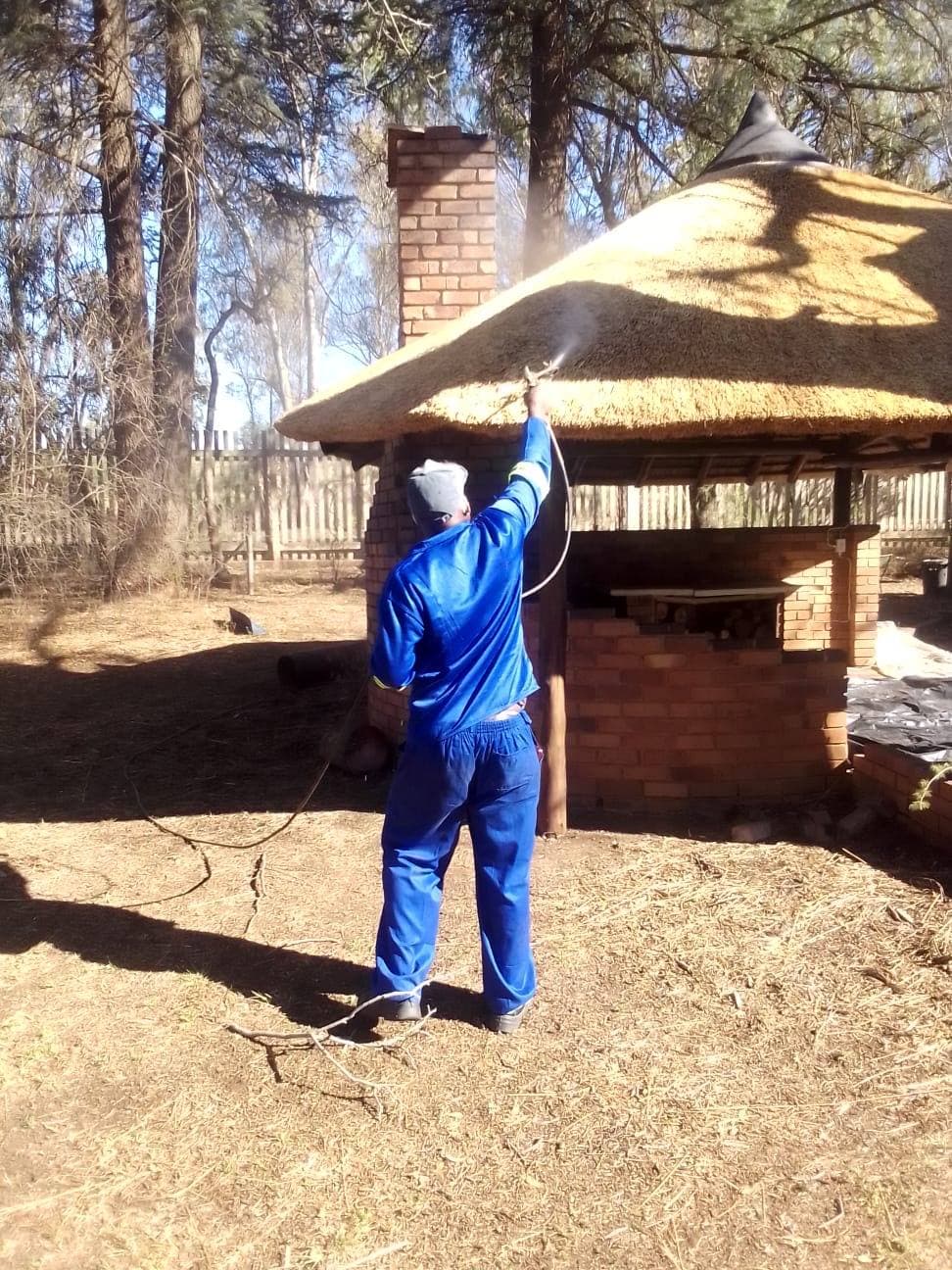
Lapa Ideas: Designing the Perfect Thatched Outdoor Space
Inspiration and practical guidance for planning a thatched lapa — from braai areas and poolside retreats to large entertainment pavilions, with 2026 cost guidance.
Cape Reed vs Thatching Grass: Choosing the Right Material
A practical comparison of Cape Reed and thatching grass — the two main thatching materials used in South Africa — covering lifespan, cost, appearance, and performance.
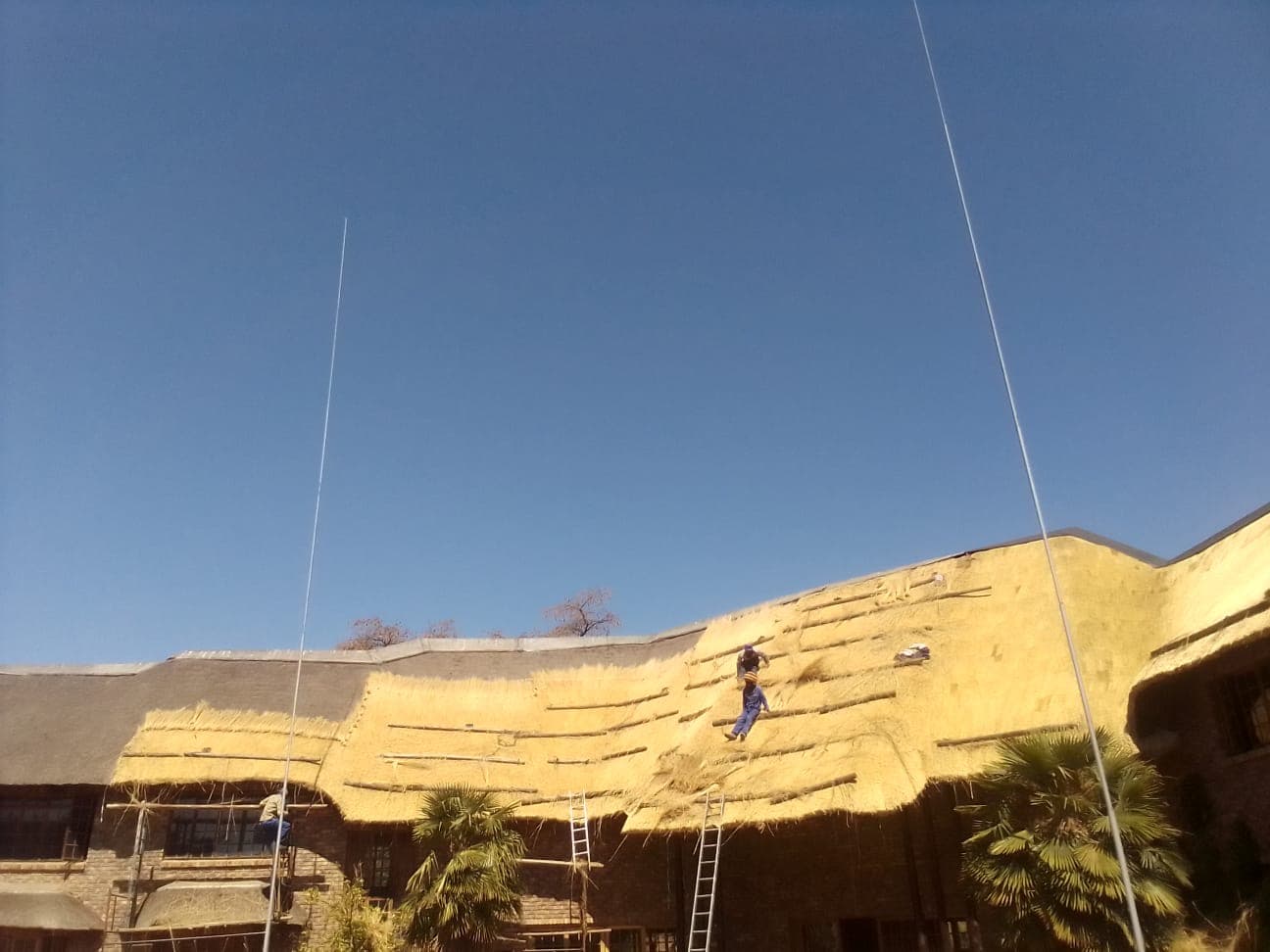
Thatch Roof Prices in South Africa: 2026 Cost Guide
What a thatch roof really costs in South Africa in 2026 — per-square-metre rates for new roofs, re-thatching, and maintenance, what drives the price, and how to compare quotes properly.
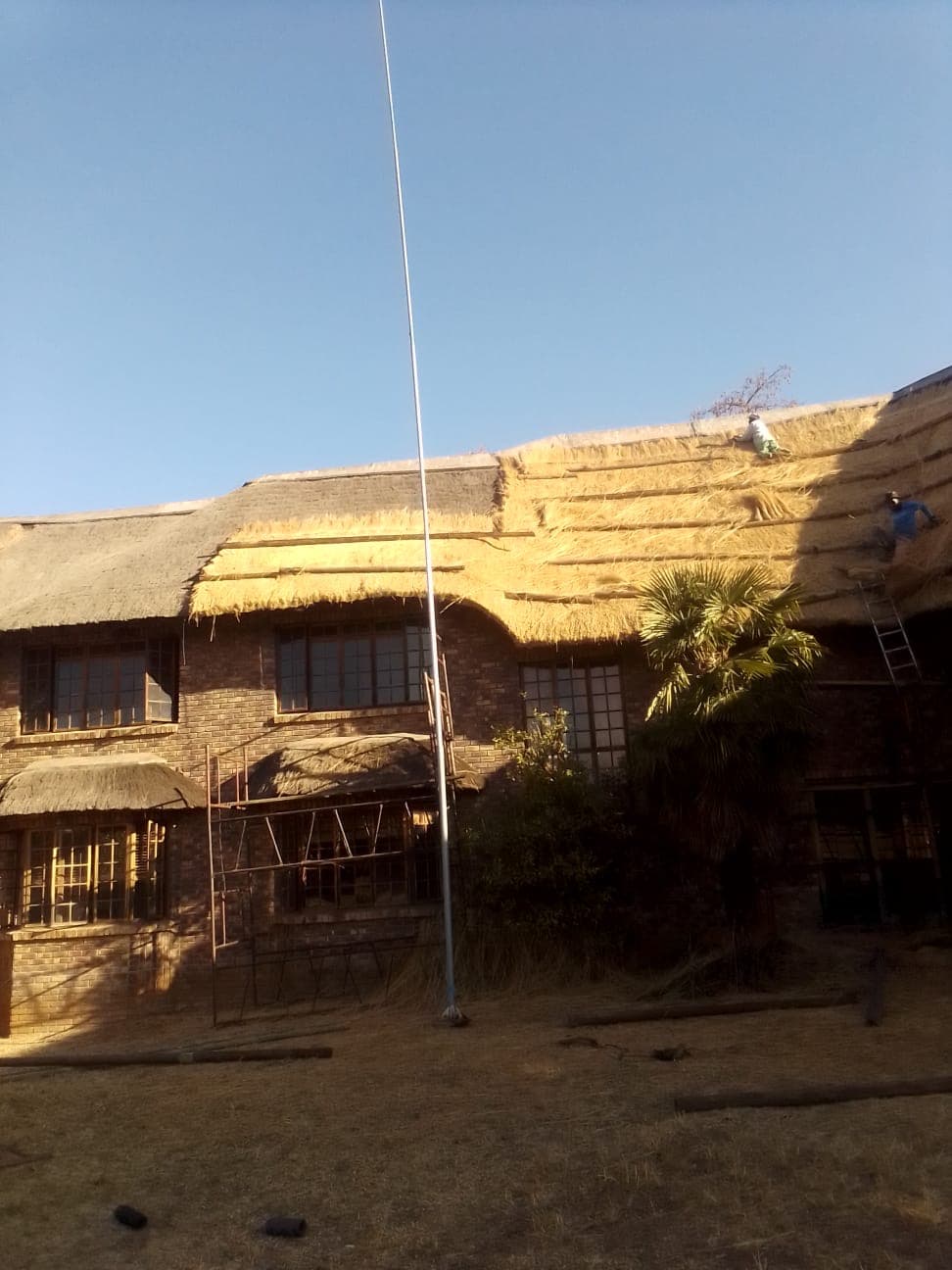
The Complete Re-Thatching Guide: When, Why, and What It Costs
How to tell whether your thatch roof needs a repair or a full re-thatch, what the re-thatching process involves step by step, how long it takes, and what it costs in 2026.
Thatch Roof Fire Safety: What South African Homeowners Need to Know
How modern fire retardant treatments, building standards, and lightning protection make thatched roofs a safe choice for South African homes.